 READ HABITABLE’S NEW REPORT
Designing Out Plastics: A Blueprint for Healthier Building Materials
 Health
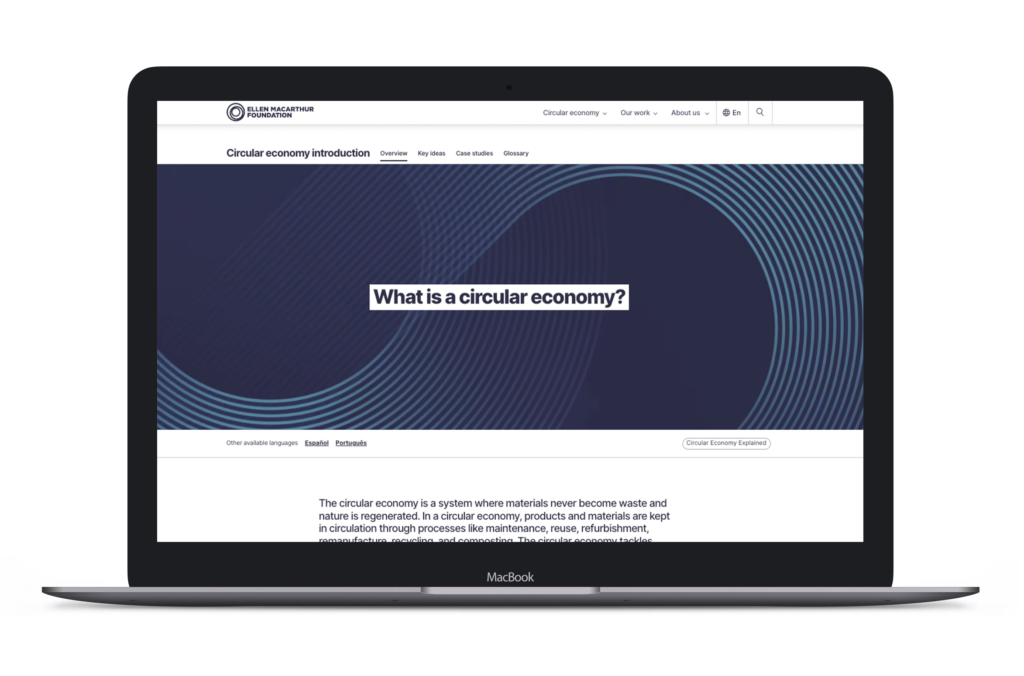
The circular economy is a transformative system where materials are continuously repurposed, ensuring nothing becomes waste and nature is regenerated.
This approach involves processes like maintenance, reuse, refurbishment, remanufacture, recycling, and composting to keep products in circulation. By decoupling economic activity from finite resource consumption, the circular economy addresses climate change, biodiversity loss, waste, and pollution. Rooted in the principles of eliminating waste and pollution, circulating materials at their highest value, and regenerating nature, this resilient system benefits businesses, people, and the environment.
 Health
Explore the critical role of value engineering (VE) in plumbing systems with this comprehensive report, “Value Engineering in Plumbing Systems.” Discover how effective VE can optimize costs without compromising essential functions, while understanding the potential pitfalls through real-world examples like the costly Baltimore hotel case.
Learn from the insights of industry professionals who emphasize the importance of balancing cost with durability, safety, and sustainability. This report provides essential guidance for architects, engineers, and contractors on making informed decisions to maintain plumbing system integrity and avoid costly mistakes. Download the report today to enhance your approach to VE in plumbing projects.
Health
In this opinion piece, architect Martha Lewis addresses the ecological polycrisis of the twenty-first century and its impact on the architectural sector, emphasizing the urgent need for architects to reassess material choices and construction methodologies to mitigate environmental consequences.
Health
Tests by Consumer Reports found bisphenols and phthalates, chemicals used in plastic, in a wide range of packaged foods, raising concerns due to their potential health effects, including disruptions to the endocrine system and associated health issues.
Health
Scientists are investigating how exposure to environmental stressors during pregnancy affects the health of both fetuses and pregnant individuals, highlighting the need for further research to protect the almost 130 million people worldwide who give birth annually.
Health
A study by environmental health experts at New York University suggests that phthalates, chemicals commonly found in plastic food containers and cosmetic products, may have contributed to approximately 10 percent of preterm births in the United States in 2018.
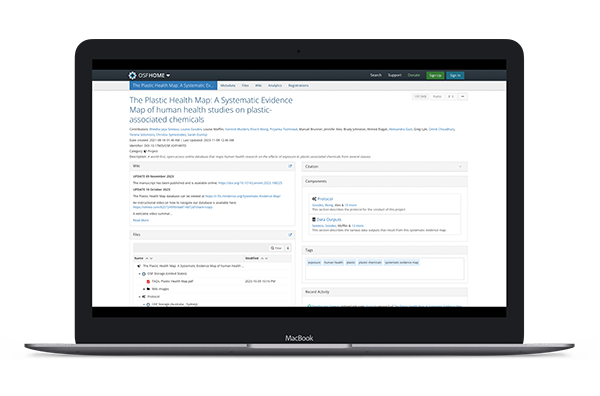
HealthThe Plastic Health Map collates research on the potential human health effects of plastic chemicals, aiding the transition to a more sustainable and safer plastic-free world by providing data from over 3,500 primary studies from 1960 to 2022 via a user-friendly dashboard.
 Health
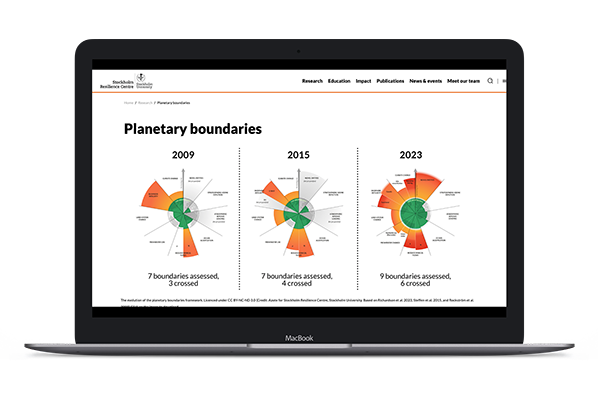
This website explores the concept of planetary boundaries, a framework of nine key Earth system processes that humanity must stay within to ensure long-term sustainability and avoid irreversible environmental harm.
 Health
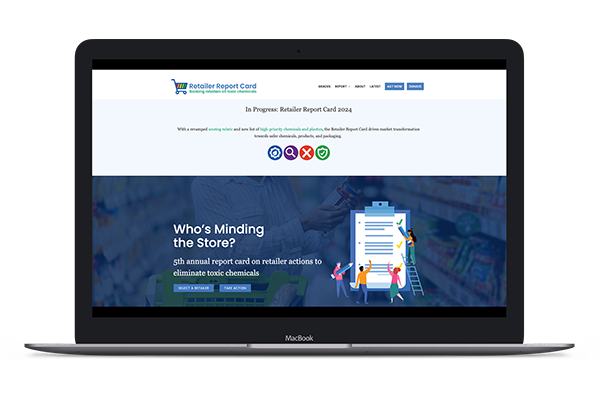
The Retailer Report Card evaluates the safer chemicals programs of major U.S. and Canadian retailers, highlighting their efforts to eliminate toxic chemicals from products and packaging, and empowering consumers to support companies driving positive change.
 Health
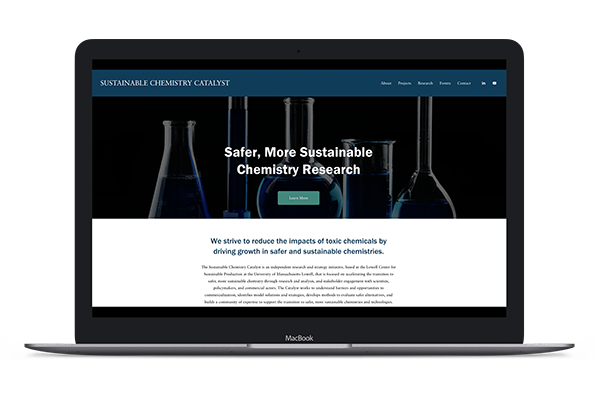
The Sustainable Chemistry Catalyst, based at the University of Massachusetts Lowell, accelerates the transition to safer, more sustainable chemistry through research, stakeholder engagement, and the development of evaluation methods and model solutions.