
 READ HABITABLE’S NEW REPORT
Designing Out Plastics: A Blueprint for Healthier Building Materials
 Equity
These are the words of Vanessa del Campo. She was born and raised in Mexico and like many other people, she moved to the United States searching for safer and better living conditions. She now lives in Minnesota and rents a small unit in a multifamily apartment building located in one of the areas designated by the Minnesota Pollution Control Agency (MPCA) as of Environmental Justice concern. Her experience as a tenant is filled with stories of unjust evictions, health concerns, and constant battles with unlawful landlords that neglected her right to even the most basic human living conditions.
Fortunately for Vanessa and other neighbors in her building, she received support from a community-based organization, Renters United for Justice (abbreviated IX from its name in Spanish), that helped them organize and mobilize to reclaim desperately needed services to maintain their health and wellbeing. What began as an organized effort to request new windows for a handful of apartment units turned into an exhausting but successful journey to purchase the run-down complex of apartment buildings from their landlord and secure a loan to renovate all the apartments.
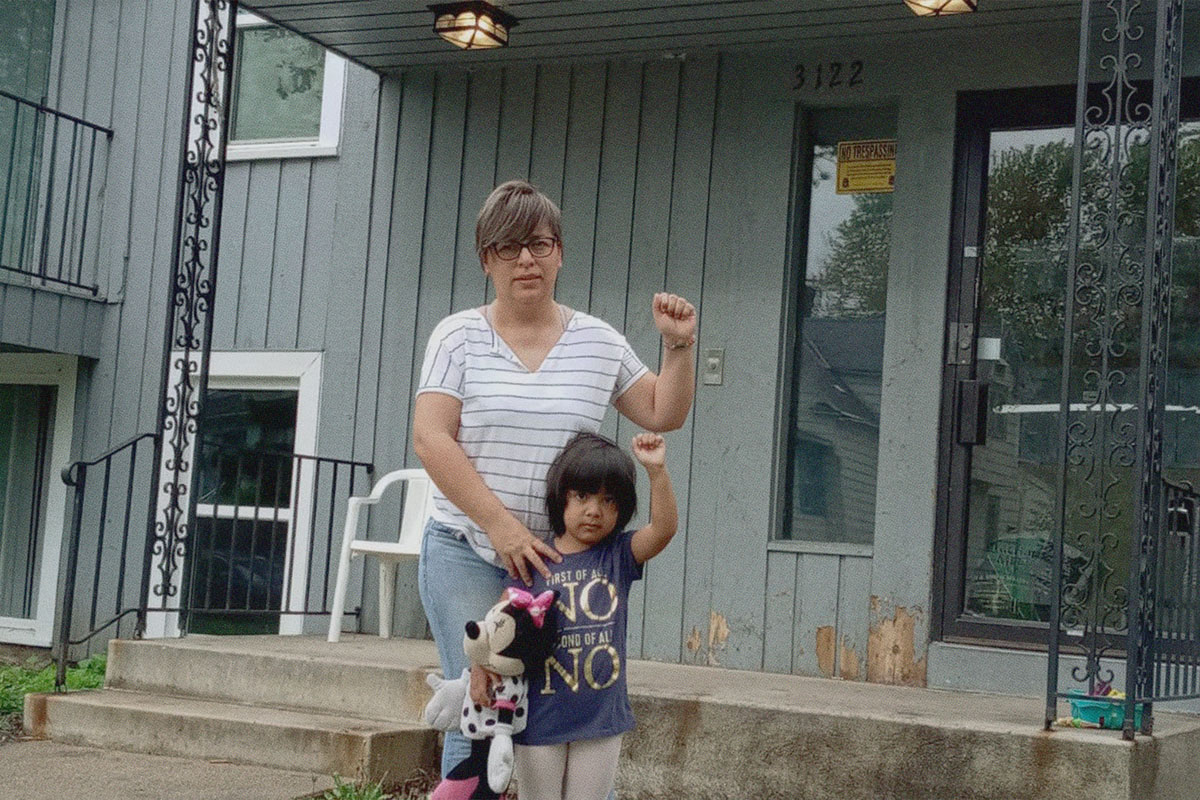
It’s easy to get lost in Vanessa’s excitement as she talks about this newfound opportunity. She mentioned that her baby had a tough time learning to crawl because it was too dangerous to place her on the ground due to rats and cockroaches often running past her. At the same time, it is also easy to forget that in addition to being a mother and having a demanding job, she now has to fulfill the role of a building co-owner as a leading member of the newly formed residents’ collective (A Sky Without Limits).
With so much work going into buying and renovating the apartment complex, the residents had little time to think about the chemical safety of their chosen building materials. That’s where HBN came in. In 2021 the MPCA awarded IX and Healthy Building Network a grant to work together to reduce toxic chemical exposures among children, pregnant individuals, employees, and communities who are disproportionately impacted by harmful chemicals used in common products.
One example of toxic chemicals in homes are phthalates, or orthophthalates, which are chemicals that help make plastics flexible. They can also impact the proper development of children. These chemicals are banned in children’s toys in the U.S., and The Minnesota Department of Health in partnership with MPCA named phthalates as “Priority Chemicals” as part of the 2017 Toxic-Free Kids Act. While many manufacturers have phased out hazardous phthalate plasticizers, existing vinyl flooring, especially those installed 2015 and earlier, likely contain these potential developmental toxicants. This translates to dozens of pounds of these hazardous chemicals in the floor of a single apartment unit. As these chemicals are released from products, they deposit in dust, which can be inhaled or ingested by residents – particularly young children who are crawling on floors and often place their hands in their mouths.
“Honestly, we never stopped to think about how harmful [building] materials could be.” Vanessa said. “It was just regrettable to see how we were living. We understand that the new materials that are going into our buildings today may not be the healthiest. Today, we realize it is important to think about how we want to live in our homes, to imagine the quality of life we want in our buildings, in our community.”
Over the coming year, HBN will work with IX and the residents’ collective to evaluate the materials used in their ongoing renovation process and provide recommendations to improve material selection. We will also develop resources tailored to residents to enhance their understanding of how the surrounding environment influences their health. To extend the impact of this work, we will create and share a set of best practices that property managers and tenant organizations can use to advocate for healthier materials in the communities they live in and properties they manage.
“Our collaboration with HBN is timely. By working together with the property managers, we can raise their awareness about how their work impacts our health and help change how they select materials,” Vanessa said.
At Healthy Building Network, we are grateful for the opportunity to work with IX and local leaders like Vanessa through the MPCA grant that makes this collaboration possible. We call on public agencies, foundations, and private investors to fund initiatives that seek to dismantle health inequities through direct investment in the communities disproportionately impacted by environmental injustice, especially related to toxic chemical exposures. We look forward to sharing with you the lessons, stories, and resources that come out of this collaboration.

To learn more about selecting healthier products, visit our Informed™ website, which includes a wide range of resources and tools to help you find healthier material options.
“Cuando llegué aquí, mi apartamento estaba a punto de desmoronarse. Tuvimos muchos problemas; las alfombras eran increíblemente viejas y encender el aire acondicionado era como tener un helicóptero dentro de la casa”. Estas son las palabras de Vanessa del Campo.
Vanessa nació y creció en México, y como muchas otras personas, se mudó a los Estados Unidos en busca de mejores condiciones de vida. Ahora vive en Minnesota y alquila un apartamento en un edificio multifamiliar ubicado en una de las áreas designadas por la Agencia de Control de Contaminación de Minnesota (MPCA) como de interés de Justicia Ambiental. Su experiencia como inquilina está marcada con historias de desalojos injustos, preocupaciones de salud, y batallas constantes con propietarios que negaron su derecho a incluso las condiciones más básicas de vida.
Afortunadamente para Vanessa y otros vecinos en su edificio, ella recibió el apoyo de Inquilinos Unidos por Justicia (IX), una organización comunitaria que les ayudó a organizarse y movilizarse para recuperar los servicios que desesperadamente necesitaban para mantener su salud y bienestar. Lo que comenzó como un esfuerzo organizado para solicitar nuevas ventanas para un pequeño número de apartamentos, se convirtió en una larga pero exitosa tarea para comprar el destartalado complejo de apartamentos y asegurar un préstamo para renovar todas sus unidades.
“Pasamos por muchos litigios con el propietario porque no estaba haciendo las reparaciones que necesitábamos y no quería vendernos los edificios. El año pasado, cuando llegó la pandemia, finalmente obtuvimos la oportunidad de comprar el edificio. Fue un momento feliz y difícil porque estábamos aterrorizados de enfermarnos [con el virus], pero logramos organizarnos y apoyarnos unos a otros. Hoy estamos trabajando con una nueva empresa de administración de propiedades y el banco para instalar alfombras, pisos, techos, ventanas, hornos, refrigeradores y baños nuevos. Estamos haciendo una profunda renovación para llevar todos los apartamentos a un estado que es mucho, mucho mejor que el que teníamos”.
Es fácil dejarse llevar por la emoción de Vanessa mientras habla de esta nueva oportunidad. Ella mencionó que su bebé tuvo dificultades para aprender a gatear porque era demasiado peligroso colocarle en el suelo debido a las ratas y cucarachas que a menudo rondaban la casa. Al mismo tiempo, también es fácil olvidar que además de ser madre y tener un trabajo exigente, ahora tiene que cumplir el rol de copropietaria de un edificio como miembro principal de un recién formado colectivo de residentes (Un Cielo Sin Límites).
Con tanto trabajo invertido en la compra y renovación del complejo de apartamentos, los residentes tuvieron poco tiempo para pensar en la seguridad química de los materiales de construcción que fueron utilizados en sus apartamentos. Ahí es donde entra Healthy Building Network (HBN, o, La Red de Edificios Saludables). A principios de este año, MPCA otorgó a IX y HBN una subvención para reducir la exposición a sustancias químicas tóxicas entre los niños, las personas embarazadas, los empleados y las comunidades que se ven afectadas de manera desproporcionada por sustancias químicas nocivas utilizadas en productos comunes.
Un ejemplo de sustancias químicas tóxicas en los hogares son los ftalatos u ortoftalatos, que son sustancias químicas utilizadas para ayudar a dar flexibilizar a los plásticos. Estas sustancias también pueden afectar el desarrollo adecuado de los niños. Estos productos químicos están prohibidos en los juguetes de los niños en los EE. UU. El Departamento de Salud de Minnesota, en asociación con MPCA, nombró a los ftalatos como “productos químicos prioritarios” como parte de la Ley de Niños Libres de Tóxicos de 2017. Si bien muchos fabricantes han eliminado los plastificantes de ftalato, estos químicos están presentes en los pisos de vinilo existentes, especialmente los instalados antes de 2016. Esto se traduce en docenas de libras de estos químicos peligrosos en el piso de una sola unidad de apartamento. A medida que estos productos químicos se liberan de los productos, se depositan en el polvo que los residentes pueden inhalar o ingerir, afectando especialmente a los niños pequeños que gatean por el suelo y a menudo se llevan las manos a la boca.
“Honestamente, nunca nos detuvimos a pensar en lo dañino que podrían ser los materiales [de construcción]”. Dijo Vanessa. “Fue lamentable ver cómo vivíamos. Entendemos que los materiales que se utilizan en nuestros edificios hoy en día pueden no ser los más saludables. Hoy nos damos cuenta de que es importante pensar en cómo queremos vivir en nuestros hogares, imaginar la calidad de vida que queremos en nuestros edificios, en nuestra comunidad”.
Durante el próximo año, HBN trabajará con IX y el colectivo de residentes para evaluar los materiales utilizados en su proceso de renovación y brindar recomendaciones para mejorar la selección de materiales. También desarrollaremos recursos para ayudar a los residentes a entender cómo el entorno circundante influye en su salud. Para extender el impacto de este trabajo, crearemos y compartiremos un conjunto de mejores prácticas para que los administradores de propiedades y las organizaciones de inquilinos puedan abogar por utilizar materiales más saludables en las comunidades en las que viven y en las propiedades que administran.
“Nuestra colaboración con HBN es oportuna. Al trabajar junto con los administradores de propiedades, podemos aumentar su conciencia sobre cómo su trabajo impacta nuestra salud y ayudar a cambiar la forma en que seleccionan los materiales”, dijo Vanessa.
En Healthy Building Network, estamos agradecidos por la oportunidad de trabajar con IX y líderes locales como Vanessa a través de la subvención otorgada por MPCA que hace posible esta colaboración. Hacemos un llamado a las agencias públicas, fundaciones e inversionistas privados para que financien iniciativas que busquen desmantelar las inequidades en salud a través de inversión en las comunidades impactadas de manera desproporcionada por la injusticia ambiental, especialmente relacionada con la exposición a sustancias químicas tóxicas. Esperamos pronto poder compartir con ustedes las lecciones, historias y recursos que surgen de esta colaboración.
 Health
Dr. Ami Zota, Associate Professor at the Department of Environmental & Occupational Health at the George Washington University (GWU) Milken Institute School of Public Health, created a platform to amplify underrepresented voices in science and environmental health. She launched her vision, Agents of Change, in 2019 with its first cohort of changemakers.
The high-achieving crew included Dr. MyDzung Chu, a first-generation Vietnamese-American, environmental epidemiologist, new mother, and postdoctoral scientist at the GWU Milken Institute School of Public Health. MyDzung is invested in understanding social determinants of health and environmental exposures within the home, workplace, and neighborhood contexts. Her current research investigates the impact of federal housing assistance on residential environmental exposures for low-income communities.
In her Agents of Change blog, Why Housing Security is Key to Environmental Justice, MyDzung examines the intersection of housing, racism, and environmental justice, and its effects on population health. She challenges us: “It is time for the environmental health community to step up and be at the forefront of addressing housing insecurity.”

MyDzung is practicing what she preaches – and blazing a trail while doing it. In her local community, MyDzung organizes with residents and non-profit organizations for affordable housing, equitable development, and anti-displacement policies. Her dissertation research examined socio-contextual drivers of disparities in indoor and ambient air pollution and poor housing quality for low-income, immigrant, and Black and Brown households. In a study published in Environmental Research, MyDzung and colleagues found that renters in multifamily housing were exposed to higher levels of fine particulate matter indoors that homeowner households, due to a combination of building factors and source activities that may be modifiable, such as building density, air exchange, cooking, and smoking.
MyDzung has a PhD in Population Health Sciences from Harvard T.H. Chan School of Public Health, a MSPH in Environmental-Occupational Health and Epidemiology from Emory University, and a BA in Neuroscience from Smith College.
To keep up to date with MyDzung’s research and impacts, you can follow her on Twitter or LinkedIn. And, click this link to learn more about her colleagues at Agents of Change. Thanks, MyDzung, for your leadership and courage to advance real change.
 Pollution
The Global Chemicals Outlook II assesses global trends and progress in managing chemicals and waste to achieve sustainable development goals, with a focus on innovative solutions and policy recommendations.
HealthWhen celebrated Victorian painter Edward Burne-Jones learned that a favorite pigment—it was called Mummy Brown—was in fact manufactured from the desecrated Egyptian dead, he banished it from his palette and bore his remaining tubes to a solemn burial in his English garden.[1] Once you know better, you have to do better.
Transparency in the supply chain can reveal inconvenient truths about favored products. A fascinating new article about the plywood supply chain brings into view new incentives to stop using fly ash in building products.
In What You Don’t See, Brent Sturlaugson, a practicing architect and associate professor at the University of Kentucky attempts a full accounting of the environmental, social, financial, and political impacts he attributes to the supply chain for Georgia Pacific (GP) plywood. He opens his ledger at the world’s largest open pit coal mine, Peabody Energy’s North Antelope Rochelle Mine, located in the heart of Wyoming’s Thunder Basin National Grasslands. From there the environmental and health costs add up, many of them allocated to the utility that powers GP’s Madison, Georgia plant. The Robert W. Scherer Plant in Monroe County, Georgia, has been calculated to be the largest, dirtiest coal fired power plant in the United States.[2]
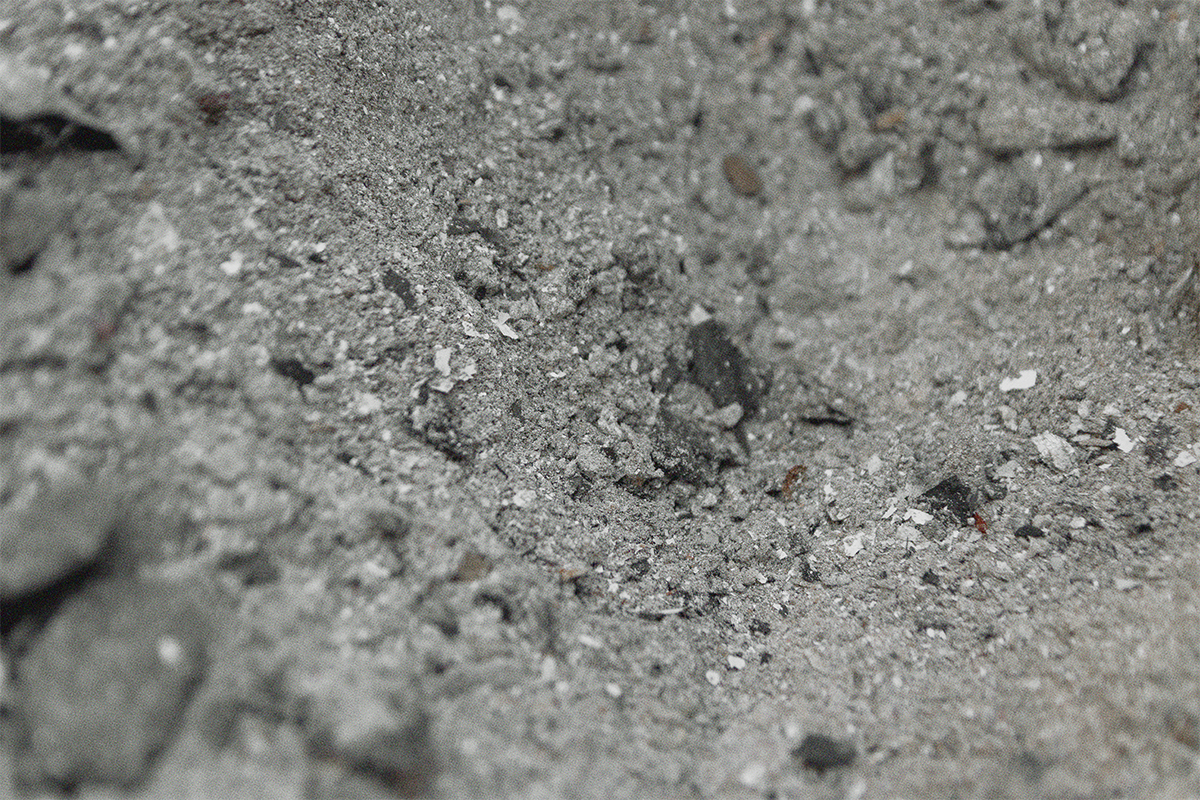
This caught the attention of the Healthy Building Network (HBN) Research Team, who previously identified this power plant as a huge mercury polluter. It is also the leading supplier of fly ash to U.S. carpet companies that use the ash as filler—replacing limestone in carpet tiles—in order to qualify for recycled content credits in LEED, the Living Building Challenge, and various government procurement standards. What we had not realized was that the Scherer plant relied upon a single source of coal, the North Antelope Rochelle Mine. HBN and others[3] have long recommended against the use of fly ash in various building products because of the heavy metal content of the ash and the cost incentives fly ash “recycling” provide to continue burning coal – absent reuse, the fly ash must be expensively managed as a hazardous waste. What You Don’t See compels us to consider the ash as processed coal, the original raw material ingredient. In this case, coal mined from the seam of a single, particularly gnarly open pit mine.
Located near Gillette, WY, the mine occupies territory whose history is steeped in the genocide of Indigenous Peoples who negotiated treaty rights to the region in the mid-1800’s. By the end of the century they lost their livelihood to the extermination of the American Bison, and then their land to well-documented, systemic treaty violations. Environmentalists and ranchers alike view the mine as a disaster for the local and global environment. It is a financial disaster for the American taxpayer, according to the U.S. General Accounting Office which cites the mine as an example of corrupt Bureau of Land Management practices that include no bid contracts, financial terms that deprive the U.S. of fair market value, and a brazen lack of transparency. All in violation of federal laws and regulations.
Squandered water and subsidized carbon emissions are only the beginning of the staggering sustainability losses from this coal, according to Sturlaugson’s detailed accounting, which also includes: “dark money” political contributions from the Koch brothers, the use of bankruptcy laws to renege on union pension obligations, and significant releases of toxic chemicals that can cause cancer, respiratory disease, and reproductive and neurological impacts.
Like the rich umber of Mummy Brown pigment, recycled coal ash in building products has a superficial appeal, until you learn the truth. What You Don’t See opens our eyes even wider to the reasons why the use of coal ash—processed coal—is unacceptable in green buildings and building products. Burying these products in our gardens or landfills won’t do. But we can and must root them out of our green rating system and recycling incentives.