
 READ HABITABLE’S NEW REPORT
Designing Out Plastics: A Blueprint for Healthier Building Materials
 Equity
In Louisiana, the factories that make the chemicals and plastics for our building products are built literally upon the bones of African Americans. Plantation fields have been transformed into industrial fortresses.
A Shell Refinery1 sprawls across the former Bruslie and Monroe plantations. Belle Pointe is now the DuPont Pontchartrain Works, among the most toxic air polluters in the state.2 Soon, the Taiwan-based Formosa Plastics Group intends to build a 2400-acre complex of 14 facilities that will transform fracked gas into plastics. It will occupy land that was formerly the Acadia and Buena Vista plantations, and not incidentally, the ancestral burial grounds of local African American residents, some of whom trace their lineage back to people enslaved there.3
Formosa has earned a reputation of being a poor steward of sacred places. Local residents have petitioned the Governor to deny permits for the facility, citing a long list of environmental health violations in its existing Louisiana facilities, including violations of the Clean Air Act every quarter since 2009.4 The scofflaw company was found to have dumped plastic pellets known as “nurdles” into the fragile ecosystem of Lavaca Bay on the Gulf of Mexico for years – leading to a record $50 million settlement with activists in that community in 2019.5
In the Antebellum South, formerly enslaved people often homesteaded on lands that were part of or near the plantations they once worked. They established communities of priceless historical and cultural worth, towns such as Morrisonville, Diamond, Convent, Donaldsonville, and St. James. Donaldsonville, Louisiana, is the town that elected Pierre Caliste Landry, America’s first African American mayor in 1868, just three years after the end of the Civil War. This part of Louisiana holds many layers of complex and deep African American history.
But in the last 75 years, since World War II, these communities have been overrun by petrochemical industry expansion enabled by governments wielding the clout of Jim Crow laws to snuff out any opposition or objection. Towns like Morrisonville and Diamond have been bought up to accommodate plant expansion. Residents have been forced to move out, their history and heritage literally paved over. It wasn’t until 1994 that the River Road African American Museum was established to preserve and present the history of the Black population as distinct from plantation representations of slavery. According to Michael Taylor, Curator of Books, Louisiana State University Libraries: “Only in the last few decades have historians themselves begun to appreciate the complexity of free black communities and their significance to our understanding not just of the past, but also the present.”6
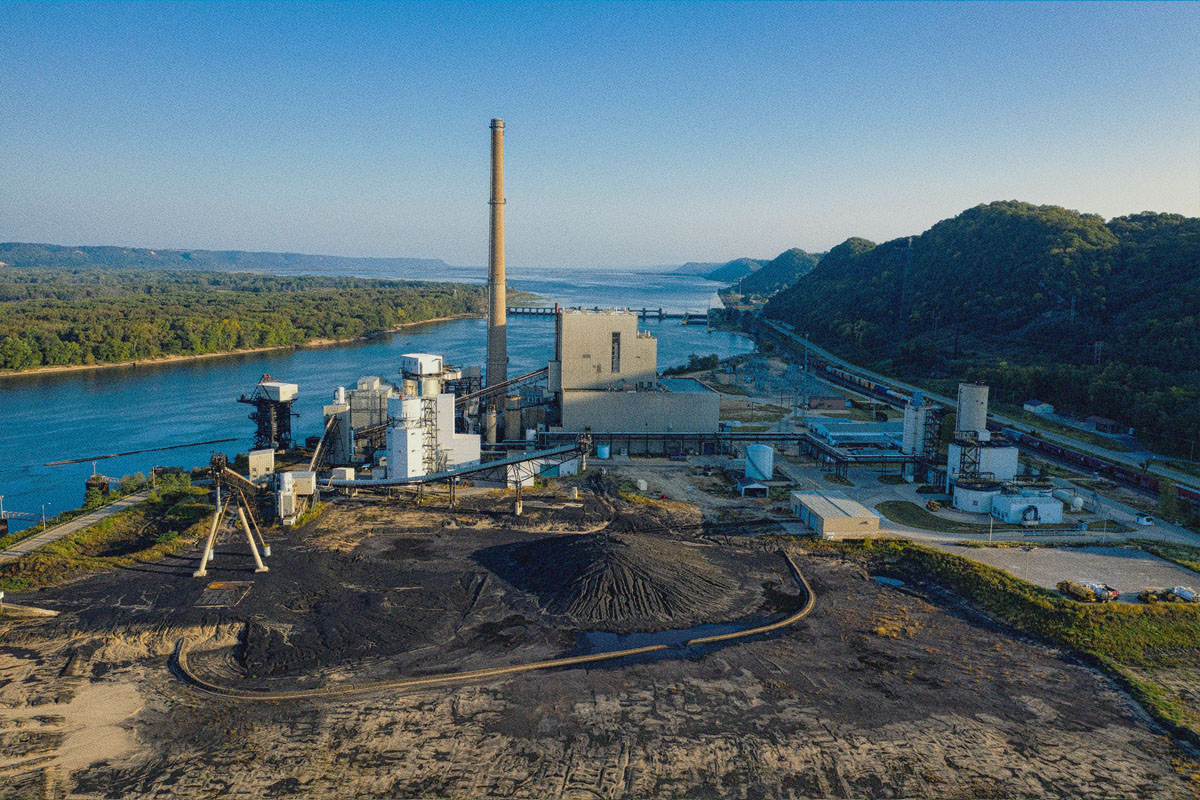
Virtually every building product we use today contains a petrochemical component that originates from heavily polluted communities, frequently home to people of color. As the green building movement searches for ways to enhance diversity, inclusion and equity, how might it address the legacies of injustice that are tied to the products and materials we use every day?
Architect, Zena Howard, FAIA, offered insight in her 2019 J. Max Bond Lecture, Planning to Stay, keynoting the National Organization of Minority Architects national conference. Howard, known for her work on the design team for the breathtaking Smithsonian National Museum of African American History and Culture, most often works with people in communities whose culture and heritage were “erased” by urban renewal in the 1960’s. In Greenville, North Carolina, she looked to people from the historically African American Downtown Greenville community and Sycamore Hill Missionary Baptist Church Congregation to guide the planning and design process for a new town common and gateway plaza. The goal was not to “replicate” the lost community, but to bring its history and present day aspirations to life in the new design. In Vancouver, British Columbia, the development plan for a neighborhood founded by African Canadian railroad porters included an unprecedented chapter on “reconciliation and cultural redress.” The key to such efforts, according to Howard is co-creation and meaningful collaboration, whose Greek roots, she notes, mean “to labor together.”
How might we labor together to address environmental injustice when evaluating the overall healthfulness and equity of our building materials? The precedent of “insetting” suggests an approach.
Insetting has been pioneered by companies whose supply chains rely upon agricultural communities across the globe. According to Ceres, insetting is “a type of carbon emissions offset, but it’s about much more than sequestering carbon: It’s also about companies building resiliency in their supply chains and restoring the ecosystems on which their growers depend.”
In previous columns, I’ve addressed concerns about the social in industrial communities, e.g., proposals that perpetuate disproportionate pollution impacts when buying offsets rather than addressing emissions from a specific facility. Applying the “insetting” approach we might ask our materials manufacturers—and the communities that are home to the building materials industries—what steps can we take to encourage manufacturers to “labor with” communities seeking environmental justice, such as those along the Mississippi River? Can we, together, resurrect and restore their history, reconcile and redress historical wrongs, and build a healthier future for all?
To learn more about the history and present day conditions of Cancer Alley, see these excellent articles from The Guardian and Pro Publica: https://www.ehn.org/search/?q=cancer+alley
You can watch to Zena Howard’s J. Max Bond lecture, Planning to Stay, here: https://vimeo.com/378622662
You can learn more about the River Road African American History Museum here: https://africanamericanmuseum.org/
 Pollution
The Global Chemicals Outlook II assesses global trends and progress in managing chemicals and waste to achieve sustainable development goals, with a focus on innovative solutions and policy recommendations.
 Climate Change
It is critical that these efforts align their goals lest, once again, the latest definition and marketing of “green” building products overlooks and overrides the interests of the front line communities most impacted by both climate change and toxic pollution.
The Carbon Leadership Forum describes embodied carbon as “the sum impact of all the greenhouse gas emissions attributed to the materials throughout their life cycle (extracting from the ground, manufacturing, construction, maintenance and end of life/disposal).2 In a widely praised book, The New Carbon Architecture3, Bruce King explains clearly why reducing carbon inputs to building materials immediately—present day carbon releases—is more effective at meeting urgent carbon reduction goals than the gains of even a Net Zero building, which are realized over decades. This approach is embraced by the Materials Carbon Action Network, a growing association of manufacturers and others, which states as its aim “prioritization of embodied carbon in building materials.”(emphasis added).4
Climate action priorities are framed differently by groups at the forefront of movements for climate justice and equity in the green building movement. Mary Robinson, past President of Ireland, UN High Commissioner on Human Rights and UN Special Envoy on Climate Change, says climate justice “insists on a shift from a discourse on greenhouse gases and melting ice caps into a civil rights movement with the people and communities most vulnerable to climate impacts at its heart.” 5 The Equitable and Just National Climate Platform6, adopted by a broad cross section of environmental justice groups and national organizations including Center for American Progress, League of Conservation Voters, Natural Resources Defense Council, and Sierra Club, calls for “prioritizing climate solutions and other policies that also reduce pollution in these legacy communities at the scale needed to significantly improve their public health and quality of life.” The NAACP’s Centering Equity In The Sustainable Building Sector (CESBS)7 initiative advocates “action on shutting down coal plants and other toxic facilities at the local level, as well as building of new toxic facilities, with advocacy to strengthen development, monitoring, and enforcement of regulations at federal, state, and local levels. Also includes a focus on corporate responsibility and accountability.”8
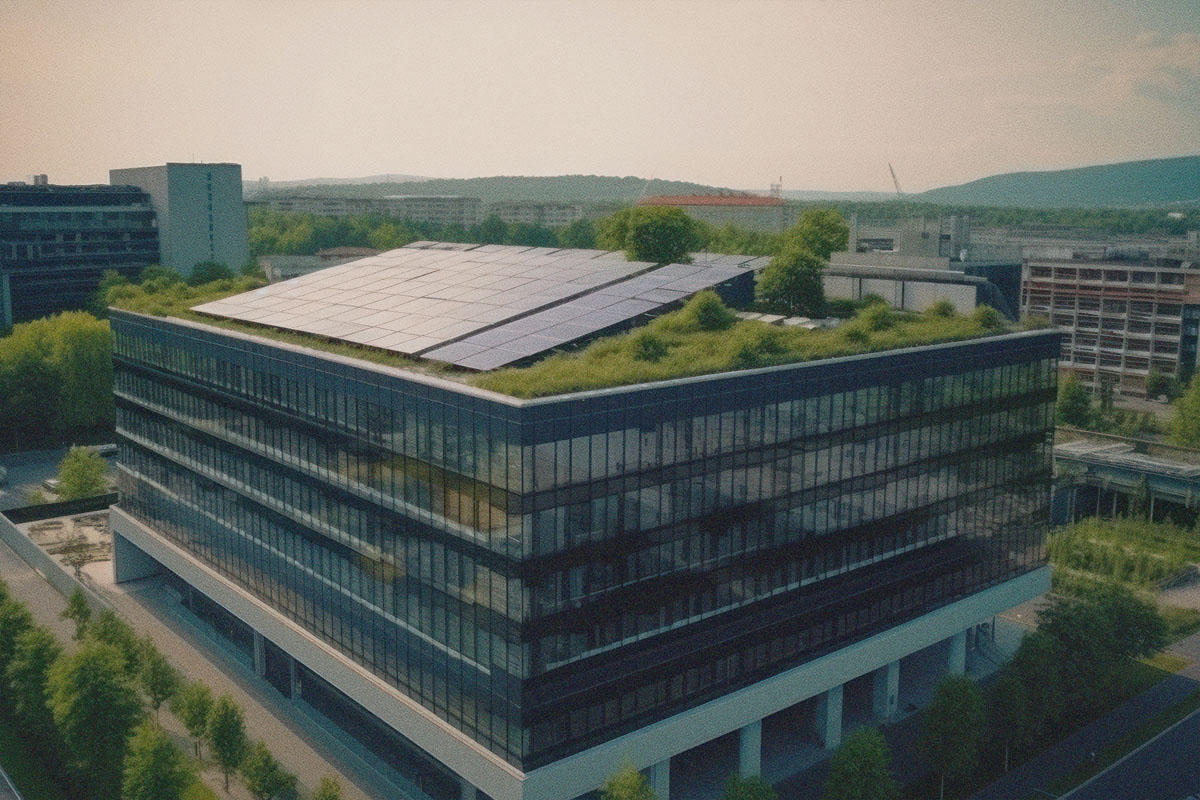
The embodied carbon and climate justice initiatives are aligned when carbon reductions in building products are achieved through industrial process changes that reduce the use of fossil fuels and other petrochemicals. But rarely, if ever, can building products be manufactured with no carbon footprint, i.e. without fossil fuel inputs. These initiatives may not be aligned when manufacturers promote “carbon neutral” or “carbon negative” products that rely on carbon trading or offsets, the practice of supporting carbon reduction elsewhere (by planting trees or investing in renewable energy) to offset fossil fuel and petrochemical inputs at the factory. According to the Equitable and Just National Climate Platform: “ . . . these policies do not guarantee emissions reduction in EJ communities and can even allow increased emissions in communities that are already disproportionately burdened with pollution and substandard infrastructure.” They may also allow increased toxic pollution, if a manufacturer chooses to invest in carbon offsets, for example, rather than invest in process changes that reduce toxic chemical use or emissions. As a result, disproportionate impacts, often correlated with race, can be perpetuated.
Vinyl provides one example of such inequity. Vinyl’s carbon footprint includes carbon tetrachloride, a chemical released during chlorine production that is simultaneously highly toxic, ozone depleting, and a global warming gas 1,400 times more potent than CO2. Offsetting these releases with tree planting or renewable energy purchases does nothing for the toxic fallout, from carbon tetrachloride, fossil fuels and other petrochemicals, on the communities adjacent to those manufacturing facilities.
Experts agree that the most embodied carbon reductions by far are to be had in addressing steel and concrete in buildings. Beyond that, experts disagree about the strength of the data available to track carbon reductions and compare products in a meaningful, objective way, and warn of diminishing returns relative to the investment needed to track carbon in every product. These may prove to be worth pursuing, but not at the expense of meaningful improvements to conditions in fenceline communities.
Habitable believes that these approaches can be reconciled and aligned through dialogue that includes the communities most impacted by the petrochemical infrastructure that is driving climate change. Our chemical hazard database, Pharos, and our collaboration with ChemFORWARD provide manufacturers with the ability to reduce their product’s carbon and toxic footprints.
We can in good faith pursue reductions in embedded carbon and toxic chemical use, climate and environmental justice and to define climate positive building products accordingly. Prioritizing selection of products simply upon claims of carbon neutrality, however, is not yet warranted.
 Health
When celebrated Victorian painter Edward Burne-Jones learned that a favorite pigment—it was called Mummy Brown—was in fact manufactured from the desecrated Egyptian dead, he banished it from his palette and bore his remaining tubes to a solemn burial in his English garden.[1] Once you know better, you have to do better.
Transparency in the supply chain can reveal inconvenient truths about favored products. A fascinating new article about the plywood supply chain brings into view new incentives to stop using fly ash in building products.
In What You Don’t See, Brent Sturlaugson, a practicing architect and associate professor at the University of Kentucky attempts a full accounting of the environmental, social, financial, and political impacts he attributes to the supply chain for Georgia Pacific (GP) plywood. He opens his ledger at the world’s largest open pit coal mine, Peabody Energy’s North Antelope Rochelle Mine, located in the heart of Wyoming’s Thunder Basin National Grasslands. From there the environmental and health costs add up, many of them allocated to the utility that powers GP’s Madison, Georgia plant. The Robert W. Scherer Plant in Monroe County, Georgia, has been calculated to be the largest, dirtiest coal fired power plant in the United States.[2]
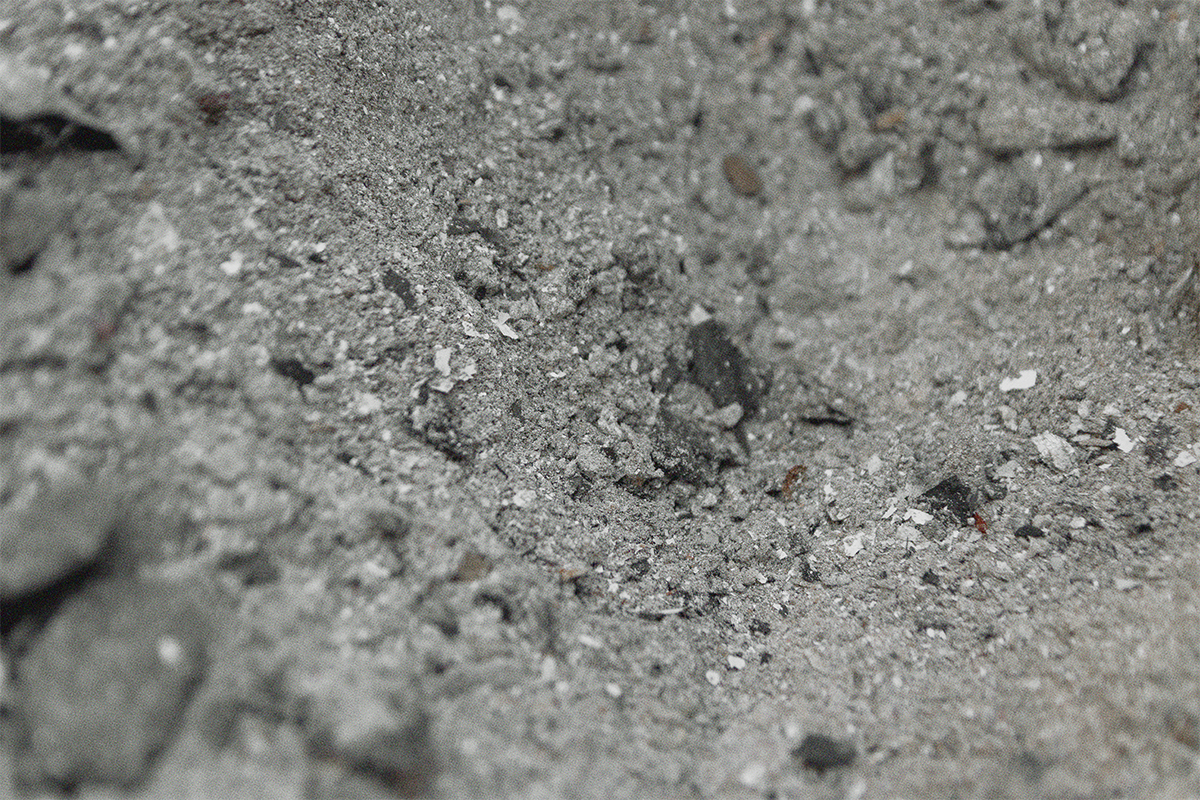
This caught the attention of the Healthy Building Network (HBN) Research Team, who previously identified this power plant as a huge mercury polluter. It is also the leading supplier of fly ash to U.S. carpet companies that use the ash as filler—replacing limestone in carpet tiles—in order to qualify for recycled content credits in LEED, the Living Building Challenge, and various government procurement standards. What we had not realized was that the Scherer plant relied upon a single source of coal, the North Antelope Rochelle Mine. HBN and others[3] have long recommended against the use of fly ash in various building products because of the heavy metal content of the ash and the cost incentives fly ash “recycling” provide to continue burning coal – absent reuse, the fly ash must be expensively managed as a hazardous waste. What You Don’t See compels us to consider the ash as processed coal, the original raw material ingredient. In this case, coal mined from the seam of a single, particularly gnarly open pit mine.
Located near Gillette, WY, the mine occupies territory whose history is steeped in the genocide of Indigenous Peoples who negotiated treaty rights to the region in the mid-1800’s. By the end of the century they lost their livelihood to the extermination of the American Bison, and then their land to well-documented, systemic treaty violations. Environmentalists and ranchers alike view the mine as a disaster for the local and global environment. It is a financial disaster for the American taxpayer, according to the U.S. General Accounting Office which cites the mine as an example of corrupt Bureau of Land Management practices that include no bid contracts, financial terms that deprive the U.S. of fair market value, and a brazen lack of transparency. All in violation of federal laws and regulations.
Squandered water and subsidized carbon emissions are only the beginning of the staggering sustainability losses from this coal, according to Sturlaugson’s detailed accounting, which also includes: “dark money” political contributions from the Koch brothers, the use of bankruptcy laws to renege on union pension obligations, and significant releases of toxic chemicals that can cause cancer, respiratory disease, and reproductive and neurological impacts.
Like the rich umber of Mummy Brown pigment, recycled coal ash in building products has a superficial appeal, until you learn the truth. What You Don’t See opens our eyes even wider to the reasons why the use of coal ash—processed coal—is unacceptable in green buildings and building products. Burying these products in our gardens or landfills won’t do. But we can and must root them out of our green rating system and recycling incentives.