
 READ HABITABLE’S NEW REPORT
Designing Out Plastics: A Blueprint for Healthier Building Materials
 Pollution
This article discusses the latest update to the planetary boundaries model, highlighting the inclusion of numerical guideposts for each boundary and emphasizing the interconnected factors influencing Earth’s habitability beyond climate change.
PollutionChemSec takes on PFAS in this educational rap battle.
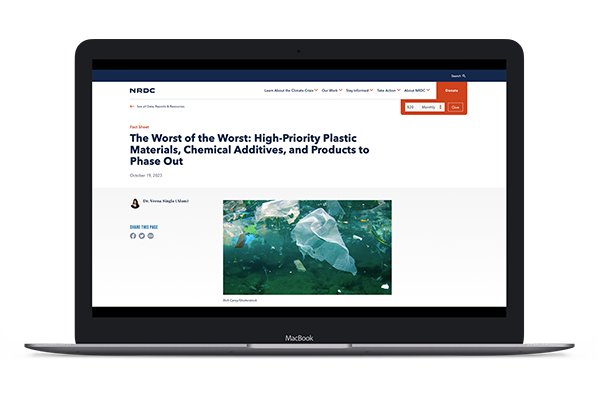
PollutionThis fact sheet highlights the urgent need to phase out the production and use of high-priority plastic polymers, chemical additives, and products that pose significant hazards to human health and the environment, in order to address the global plastics crisis.
 Pollution
This report discusses concerns about replacing lead service lines with PVC plastic pipes, highlighting the potential health and environmental risks associated with leaching chemicals, urging for thorough consideration and evaluation of alternative piping materials.
Pollution
This fact sheet provides an overview over plastic pollution at each life stage: from resource extraction all the way to removal and remediation.
Pollution
Teresa is Habitable’s Chief Research Officer, leading our research strategies.
Almost every day, news headlines warn us of the dangers of ‘forever chemicals’, known as PFAS, used in the manufacturing of consumer and industrial products. They’re being found in our water, air, fish, and soil across the U.S. and around the globe, and our body tissues, showing up in almost every person in the US. A report by Habitable (formerly Healthy Building Network) examines the presence of PFAS in residential and commercial paint products—and the urgent need to stop their use.
We recently spoke with Teresa McGrath, chief research officer, and the report’s lead author, to discuss the team’s research findings. She shares what industry professionals can do to avoid human exposure, and discusses why—and how—manufacturers can eliminate them from paint formulas altogether.
HABITABLE:
Before we jump into the details of this groundbreaking report, can you share a little bit about yourself and your expertise as it relates to chemical sciences and paint products?
TERESA MCGRATH:
My background is in chemistry and toxicology. My entire career I have focused on green chemistry: the idea of using chemistry to help meet sustainability goals. Before joining Habitable, I led the chemical management program for Sherwin-Williams, one of the largest paints and coatings companies in the world. In that role, I focused on hazard reduction and transparency, and helped business units in meeting sustainability goals. As chief research officer at Habitable, I lead a team of researchers on studies that seek to better understand hazardous chemicals that may be present in or used to make building materials, as well as putting forward recommendations and best practices to reduce or eliminate their impacts.
H:
Habitable’s most recent report delves into the presence of PFAS chemicals in paints. Officially named perfluoroalkyl and polyfluoroalkyl substances–PFAS–are commonly called ‘forever chemicals’. Can you tell us what forever chemicals are and why they’re so harmful?
TM:
PFAS refers to a class of chemicals with over 10,000 different structures. All PFAS are very persistent chemicals. The fluorine-carbon bond of these synthetic chemicals is very difficult to break and this means that they don’t break down on their own once they get into our bodies or into the environment. Given this persistence, they are often referred to in the media as ‘forever chemicals’. These chemicals can also be bioaccumulative, meaning they build up in our bodies, and can be toxic. We don’t yet know all of the potential harm because most of these chemicals have not been tested, however a host of negative health effects have been associated with PFAS including cancer, liver damage, decreased fertility, developmental delays in children, and disrupting the natural hormones in our bodies.
H:
Can you give us an idea of the scale of this problem and why is it so important that we phase PFAS chemicals out of paint products?
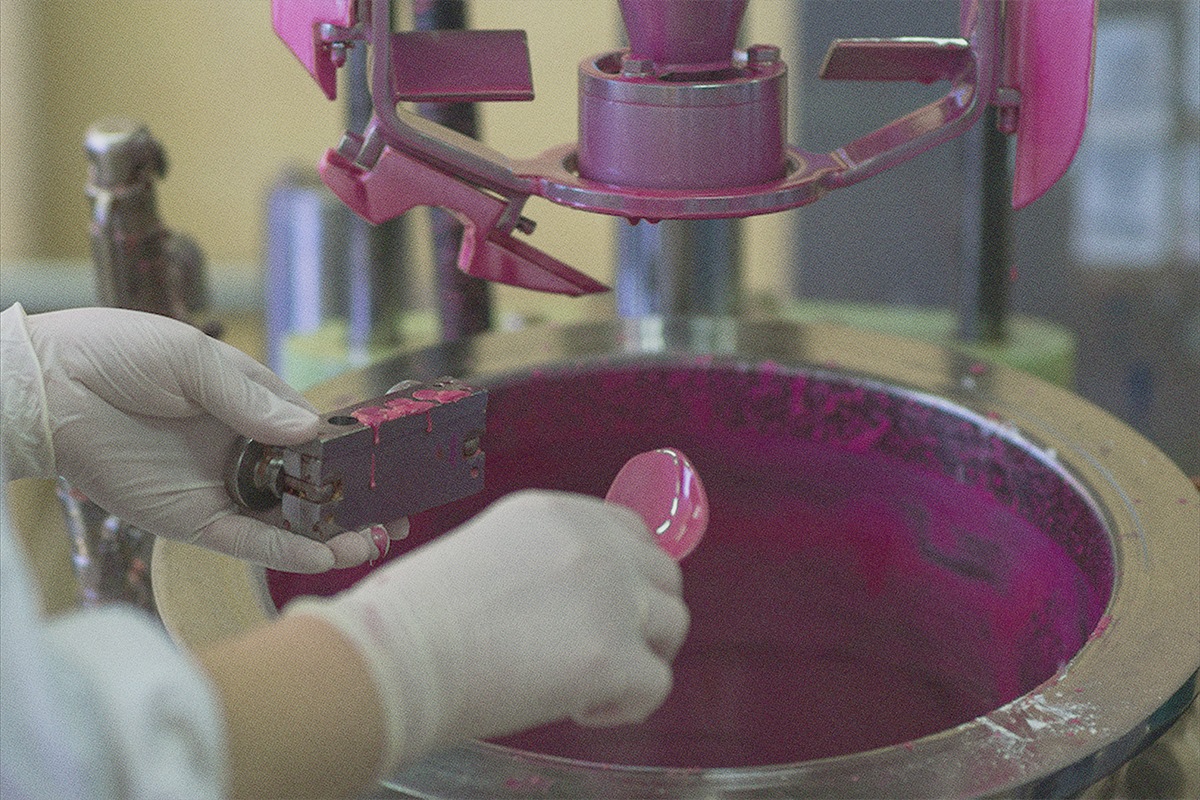
TM: Architectural paints coat the inside and outside our homes, schools, and workplaces, making PFAS in paints a potential exposure concern for everyone from those who manufacture and apply the paints to those who occupy painted spaces. They’re a health and environmental concern throughout their lifecycle, from cradle to grave. And while we already know some PFAS are linked to increased health risks, we may just be scratching the surface, as some experts have suggested, we may be underestimating the dangers of these widespread chemicals.
H:
As part of this study, Habitable tested numerous different paint products and brands for the presence of toxic forever chemicals. What were the team’s findings?
TM:
We tested 94 paints for total fluorine (TF), and a subset for extractable organic fluorine (EOF), indicators of PFAS.
We selected paint samples across most brands, price tiers, gloss, base, and colorants. Samples represented eight major paints and coatings manufacturers that together have over 65% of the paints and coatings market share in North America. We found that about 50% of the paints tested positive for these indicators of forever chemicals, the detailed list is included in our report. All tested brands had at least one product that tested positive for fluorine, and at least one product that tested negative for fluorine. And while the overall percentage of PFAS present in these products is generally small (less than 1%), there is no amount of PFAS in paint that can be considered acceptable because of their health implications.
We did reach out to paint manufacturers, but none could provide us with more comprehensive information on the definitive purpose and use of these chemicals in their products. The likely assumption is they’re using these forever chemicals as a surfactant, meaning they are acting as a stabilizer helping the paints to spread and coat more evenly.
H:
According to the report results, there are numerous paint products on the market today that don’t use these harmful additives. Are these chemicals even necessary and is removing PFAS chemicals from paint a relatively easy thing to do?
TM:
While surfactants are critical to a paint formulation, there are other PFAS-free surfactants that are used for the same purpose that are safer, objectively, from an environmental and human health perspective. Half of the paints we tested didn’t show evidence of PFAS, so we know that it’s possible to formulate paint products without it.
H:
What actions should the paint industry and their suppliers take in light of these findings?
TM:
Paint manufacturers need to phase-out all use of intentionally-added PFAS. When removing forever chemicals from formulations, manufacturers should make sure that PFAS are not replaced with other hazardous chemicals such as alkylphenol ethoxylates (APEs).
To avoid regrettable substitutions and facilitate informed material selection, all alternatives must have full chemical hazard assessments. If a paint company doesn’t know the full hazard profile of a chemical or surfactant, they should consult a toxicologist to evaluate that chemical. The ChemFORWARD platform offers tools and data to help companies find safer alternatives.
In addition, manufacturers should publicly disclose all ingredients in their paints, including PFAS use at any concentration. It should be standard practice for all paint manufacturers to tell the public what they’re putting in their products, along with the toxicity profile of every ingredient.
At a high level, industry players can support bans on PFAS and regulations that require more ingredient transparency in the paint sector..
H:
And lastly, how can you source PFAS-free paint products if you’re a consumer, building professional or specifier?
TM:
All this information might feel a little overwhelming, but we have developed two tools to make it much easier. And the good news is, all of the brands we tested had at least one option that tested negative for fluorine. Specifiers can refer to Habitable’s InformedTM paint guidance resource to select safer paints, as well as our downloadable form that can be used to ask manufacturers for a paint that meets the transparency and material health attributes specified by Habitable. By following these tips you can source paint that is free of forever chemicals, and also meets other environmental best practices such as low VOC content and emissions.
Buyers can also advocate for paint companies to do better. Ask paint manufacturers to provide public disclosure of all intentionally added ingredients, using the Health Product Declaration (HPD) or Declare label.
PollutionInsulation selection has generally focused on prioritizing a product’s ability to reduce greenhouse gas (GHG) emissions from building operation, though increasingly considerations include GHG emissions from a material’s life cycle, from manufacture through disposal (known as embodied carbon).
However, this singular focus on GHGs fails to account for other harmful emissions associated with the life cycle of these materials, including toxic pollution that disproportionately burdens Black, Indigenous, people of color (BIPOC), and/or low-income communities. As billions of pounds of new insulation is being installed in buildings each year, failure to address these toxic impacts will mean that building decarbonization efforts will further entrench environmental injustice.
Healthy Building Network (HBN) joined NRDC and Energy Efficiency for All in an analysis of the life cycle chemical and environmental justice impacts of two popular building insulation materials—fiberglass and spray polyurethane foam (SPF).
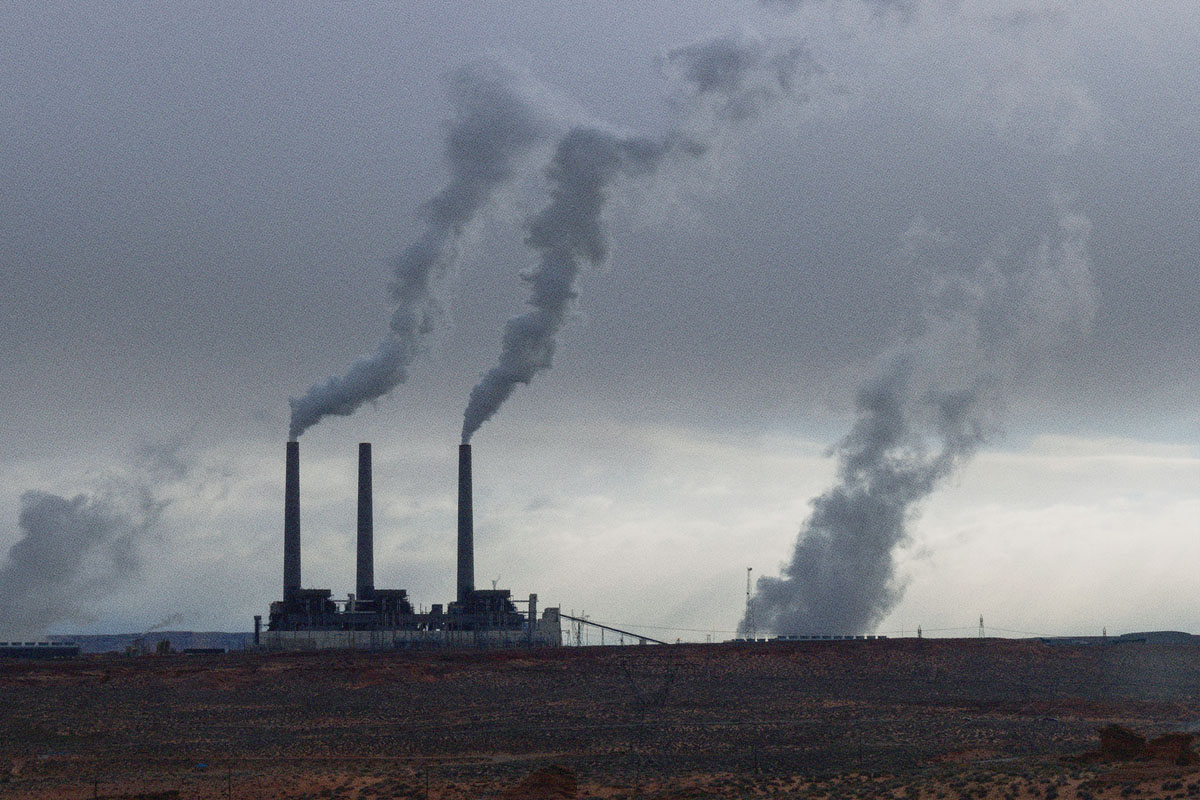
The analysis found that both SPF and fiberglass release pollution into BIPOC communities over their life cycles, but SPF carries a much heavier pollution burden. The combined population surrounding the facilities that manufacture the key ingredient of SPF has almost double the percentage of Latino people compared to the U.S. overall. These facilities reported releasing an average of about 560,000 pounds of related hazardous chemicals every year and have a history of noncompliance with EPA regulations. Our previous research also found that spray foam has significant hazardous chemical concerns during installation and use in buildings.
Regarding embodied carbon, while the specifics vary, studies (such as here, here, and here) consistently show that closed cell SPF has significantly higher embodied carbon per R-value than fiberglass insulation. Further, SPF is made from almost entirely fossil fuel-derived inputs, with no recovery, reuse, or recycling of the material—necessitating continued extraction and refining of fossil fuels to produce this insulation product. Overall, comparing material health, environmental justice, and embodied carbon impacts between SPF and fiberglass, fiberglass is preferable on all accounts.
However, fiberglass manufacturing still releases hazardous pollution into communities who are disproportionately BIPOC and/or low income, and many fiberglass facilities have exhibited regular noncompliance with EPA regulations. Fiberglass manufacturers can reduce and eliminate such pollution by using less hazardous chemistries. For example, all four U.S. manufacturers reported reduced releases of formaldehyde by changing to safer binder formulations for many of their products between 2002 and 2015.
Why It Matters
As laid out in the Equitable and Just National Climate Platform:
“To achieve our [climate] goals, we will need to overcome past failures that have led us to the crisis conditions we face today. Past failures include the perpetuation of systemic inequalities that have left communities of color, tribal communities, and low-income communities exposed to the highest levels of toxic pollution and the most burdened and affected by climate change. The defining environmental crisis of our time now demands an urgency to act. Yet this urgency must not displace or abandon the fundamental principles of democracy and justice…Unless justice and equity are central components of our climate agenda, the inequality of the carbon-based economy will be replicated in the new economy.”
To truly be part of a just and equitable transition to a clean economy, climate solutions like building insulation must advance the well-being of BIPOC and low-income communities. We recommend that embodied chemical and environmental justice impacts drive material decision-making on par with consideration of GHG emissions.
Your Action Today = Healthier, More Just Future
In general, there are significant opportunities to improve the life cycle of building insulation materials through avoiding hazardous chemicals, implementing circularity, and taking other actions stemming from the principles of green chemistry and environmental justice.
Manufacturers and policymakers should advance transparency about what is in a product, how and where it is made, and the hazardous releases that occur throughout its life cycle. In the meantime, those who choose building materials can start by avoiding hazardous chemicals in a product’s content to help protect not only building occupants and installers, but also others impacted by those hazardous chemicals throughout the supply chain. Our InformedTM product guidance can help you choose safer materials.
All stakeholders–including manufacturers, policymakers, and those who choose building materials–should support the leadership of frontline communities and make changes to their own practice so that all families have healthy places to live, learn, work, and play.
Pollution
PFAS are used in paints, food packaging and even cosmetics. We know they are in our water, air, soil and bodies – but less about how they will affect us.
PollutionThis video describes why plastic ends up in the environment and the solutions needed to disrupt the unsustainable use of plastic by holding manufacturers accountable for the products they make.
Pollution
Health Care Without Harm Europe advocates for the complete elimination of PVC due to its environmental impact, urging policymakers to develop a strategy for its phase-out in Europe.