
 READ HABITABLE’S NEW REPORT
Designing Out Plastics: A Blueprint for Healthier Building Materials
 Climate Change
Project Drawdown is a nonprofit organization dedicated to advancing effective, science-based climate solutions, fostering bold new climate leadership, and promoting new narratives and voices to help the world stop climate change.
 Climate Change
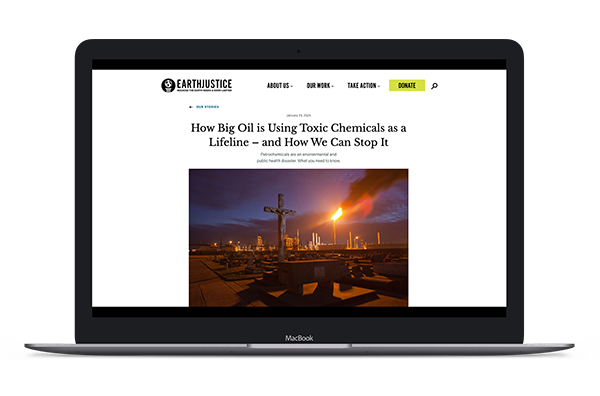
Earthjustice lays out the pillars of the argument against the oil and gas industry’s push for a petrochemical boom, which threatens to lock in more climate pollution and toxic chemicals in already overburdened low-income and minority communities.
 Climate Change
This podcast conversation explores the intersection of climate change and chemical pollution.
Highlighting opportunities to address both crises simultaneously while improving public health, equity, and economic vitality, featuring experts Dr. Elizabeth Sawin and Beverley Thorpe.
 Equity
A new report reveals that low-income countries, despite using less plastic, face lifetime plastic costs that are ten times higher than those of wealthier nations.
This disparity highlights the structural inequities within the plastics value chain, where the burdens of plastic pollution fall disproportionately on those least equipped to address them, exacerbating the crisis. WWF urges all governments to adopt a treaty with harmonized, binding global rules to eliminate these inequities in our current take, make, and waste plastics system. Such a treaty is essential to ensure a fair and effective global response to plastic pollution.
 Pollution
The American Chemistry Council promotes chemical recycling as a solution to plastic waste but this article highlights concerns raised by environmentalists about its efficacy and environmental impact, as well as the lobbying efforts to reclassify it as manufacturing in 24 states.
Pollution
This article provides an overview of the global plastic waste crisis, highlighting the environmental impact of plastic pollution and the ongoing efforts by the UN to create a legally binding international agreement to address the issue.
PollutionThis fact sheet highlights the urgent need to phase out the production and use of high-priority plastic polymers, chemical additives, and products that pose significant hazards to human health and the environment, in order to address the global plastics crisis.
 Pollution
This fact sheet provides an overview over plastic pollution at each life stage: from resource extraction all the way to removal and remediation.
 Health
We have been picking on plastics a lot recently (see articles: Addressing the Plastic Crisis: Why Vinyl Has to Go and The Illusion of Plastic Recycling: Neither Just Nor Circular). This is because we believe that typically the best way to avoid hazardous chemicals is to avoid plastic altogether. With this said, we recognize plastics in buildings are currently ubiquitous (see article: Our Plastic Buildings: A New Driver of Fossil Fuel Demand).
So, let’s consider what would need to happen for plastic building products to be considered truly sustainable. Can the plastics industry do better? What are the key opportunities today to do so, and what global policy tools could promote these opportunities? These are among the key questions HBN explored in the development of a pair of case studies for the international Organization for Economic Co-operation and Development (OECD) as part of the Inter-Organization Programme for the Sound Management of Chemicals (IOMC).
Before we jump into the case study findings, first, let’s define plastics. For the purposes of this article, we define plastics to be any polymeric material, fossil fuel based or bio-based. The case studies focused on durable plastic goods, using building materials as an example.
The case studies explored both plastic flooring and plastic insulation with the goal of increasing awareness of environmental and human health impacts of plastic product production at each stage of the lifecycle and proposing policy interventions that can help move the industry toward more sustainable plastics products in general.
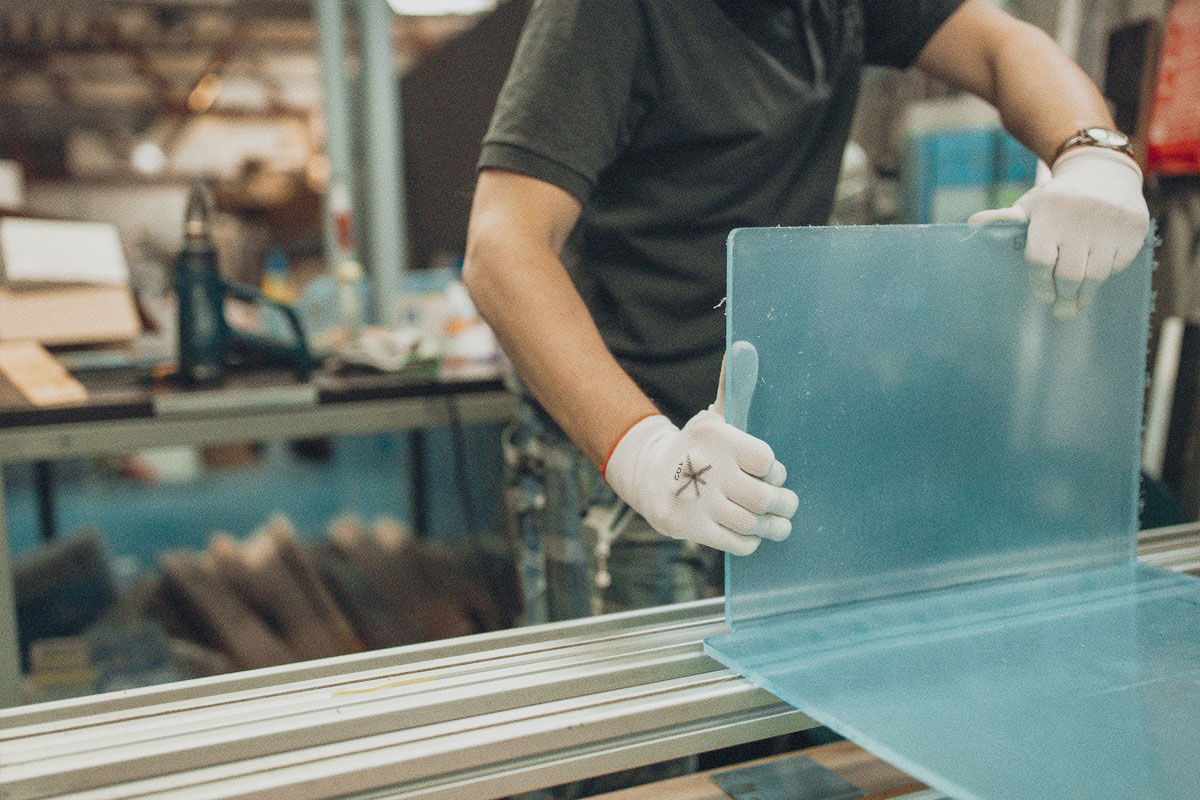
In the report, we created a framework for evaluating what a truly sustainable plastic product would look like. These goals are lofty, and currently no existing plastic building materials meet these goals. However, they provide a pathway towards truly sustainable products.
To be considered a sustainable plastic, a product would have to enhance human and environmental health and safety across the entire product life cycle. It would have to be managed within a sustainable materials management system, and would have to meet the following goals:
The case study explores trade-offs that exist between different material choices.
For a flooring example, a product that is designed to use adhesive to install is typically thinner than one that uses a click tile system to install. These thinner products use less material per square foot and therefore have less chemical impacts associated with manufacturing and less waste at the end of life. However, adhesives may add hazardous substances to the product installation stage. By moving from a click tile product to a glue down product, chemical exposure burdens shift from manufacturing and end of life to the installation stage and use phase.
For an insulation example, a product that is designed to chemically react at the build site, such as spray polyurethane foam (SPF), can allow the insulation to form an air-sealed custom fit. However, SPF is not recyclable, and adherence of that insulation to surrounding materials may also make those materials more difficult to reclaim or recycle. Moving from XPS, EPS or polyiso to SPF may reduce the ability of other surrounding materials to “have a commercial afterlife” in the pursuit of an added performance feature.

Building awareness around these trade-offs enables stakeholders to make informed choices.
Now, back to reality after crafting the characteristics of a theoretical sustainable plastic. The bottom line is that there are no sustainable plastics that exist today, and we are a long way off from that day. Today, project teams need to prioritize which sustainability goals are most important and how to deal with real and significant gaps in understanding and/or data.
The case studies compared only product types made of plastic, but in reality, project teams have a wider variety of materials to choose from in any given product category. HBN’s Product Guidance considers the most commonly used product types within a product category and ranks those product types relative to one another from a chemical hazard perspective. Product types made of plant-based materials or minerals tend to rank higher than plastic products. You can apply the same sustainability goals proposed in this article to non-plastic products.
In project design, the biggest leaps towards more sustainable products from a chemicals perspective often requires consideration of vastly different materials versus making incremental improvements in chemistry for a particular product type. For example, this could mean moving from vinyl to linoleum flooring versus attempting to select the least bad vinyl option.
Check out the full flooring and insulation case studies for examples of how to use these goals to consider and choose the variety of plastic product types you will inevitably be specifying for your next project. Alternatively, challenge yourself to skip the plastics whenever possible. Even selecting one non-plastic product is cause for celebration. Make the swap!
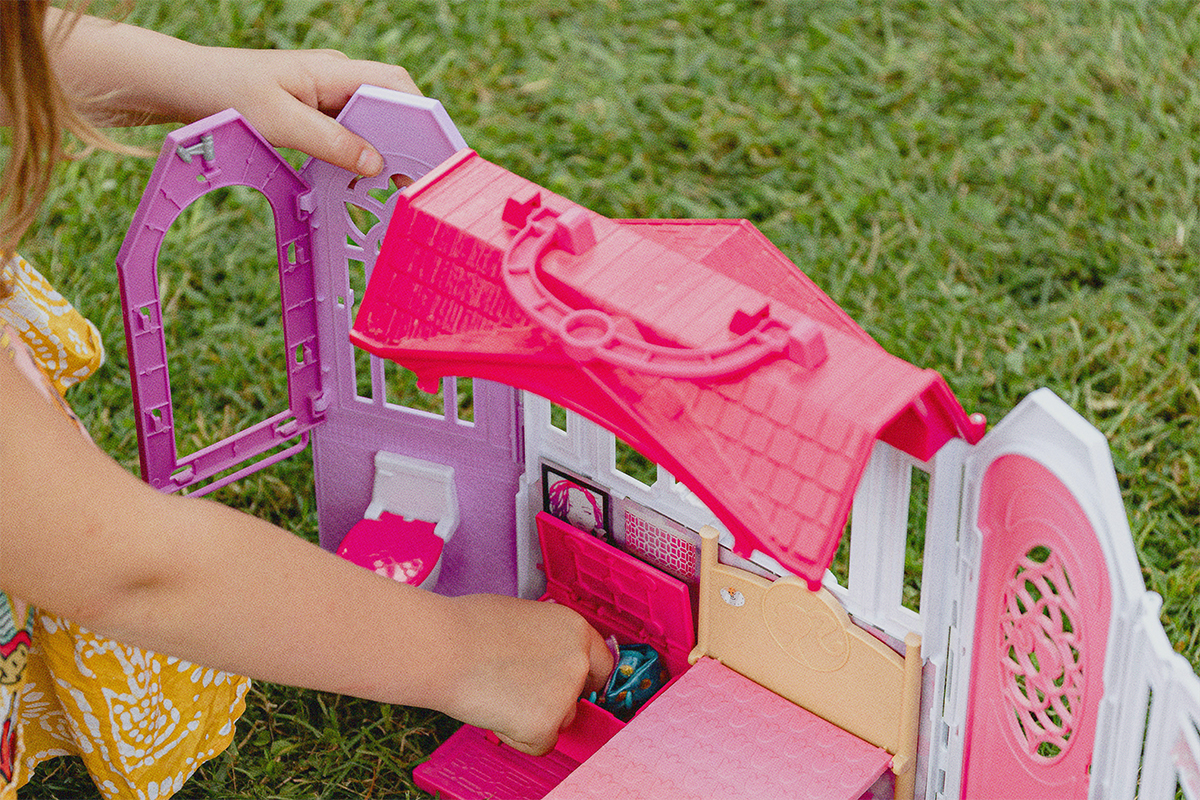
Climate ChangeThe idea of a “plastic building” might bring to mind Barbie DreamHouses or Lego towers, but probably not the real life spaces we occupy every day. However, plastics have a long history of use in construction and are increasingly being used in a wide variety of building products.
What are plastics?
Plastics are synthetic or semi-synthetic materials typically made from fossil fuels and their byproducts.1 Depending on the plastic’s intended use, they may also be combined with a variety of additives such as stabilizers, fillers, reinforcements, plasticizers, colorants, and processing aids, many of which are toxic chemicals that are linked to chronic disease. They are a material of choice in the built environment, however, they come with a host of deeply rooted problems.
Durable plastics are the new “frontier”
As the energy sector shifts away from fossil fuels, the fossil fuel industry has turned toward plastics as a way of maintaining demand for their products.2 An International Energy Report from 2018 showed that petrochemicals, which are used to make plastics, are slated to become the largest driver of global oil demand in the near future.3 Historically, much of the investment has been in single-use plastics, which are increasingly the focus of bans, restrictions, regulations, and product innovation due to their harmful environmental effects.2 To pick up this anticipated slack, petrochemical, fossil fuel, and plastics industries are now pushing to increase their market growth in more durable goods, like building materials.4 The building and construction industry is already the second largest consumer of plastics after packaging.5
Plastics contribute to climate change
Plastics contribute to greenhouse gas emissions at every stage of their lifecycle. Greenhouse gases are released during fossil fuel extraction, transport, feedstock refining, and plastic manufacture, and carbon is released into the atmosphere through degradation and incineration at plastic products’ end of life.6 A 2019 Center for International Environmental Law report concluded that these lifecycle emissions may make it impossible to keep global warming below 1.5 degrees if growth continues as projected.6 Any comprehensive climate change plan must curb the production of plastics.
Plastic is ubiquitous in buildings

Maybe you know that vinyl flooring is plastic, but did you know that latex paint is mostly plastic? That many insulation products are plastic? How about carpet? Plastic-containing products can be found in almost every part of a building, from the waterproofing on foundations to roofing materials. See below for an infographic showing just some of the plastic materials in an average home. The products included are not exhaustive, but rather a list of example product types from Habitable’s InformedTM product categories where a main component is plastic. There are many more products that are predominantly made of plastic, and even more that contain smaller amounts of plastic additives or plastic binders.
Our plastic buildings are driving the growth in fossil fuels at the same time as we are diligently working to incorporate clean energy solutions and decarbonize these very same places.
Hidden costs of cheap plastic
Plastic products are often favored due to their “low cost.” This low retail cost is achieved by avoiding and externalizing the costs of fossil fuels and industrial pollution – and their related chronic diseases – throughout the plastics supply chain. These externalized costs are real and paid for by the BIPOC and low-income communities across the nation who are disproportionately burdened with toxic pollution flowing from refineries, chemical manufacturing, and plastics plants. It is fair to say that most of the stories about environmental justice that you have heard can be linked to plastics manufacturing.
With the building and construction industries anticipating growth over the next several years,7 commensurate growth is to be expected in their use of plastics. Indeed, market trends and projections show a steady increase in polyvinyl chloride (aka vinyl), polystyrene, polyethylene, polyurethanes, and other plastics used in building materials.8
It is, of course, unrealistic to avoid all plastic in building materials at this time, but there are steps we can take to reduce plastic waste, decrease toxic chemical use, and curb the demand for fossil fuels.
Select Better: Avoid worst-in-class plastics where possible.
Prioritize Transparency: Prefer products that provide transparency
Aim for Circularity: Select products designed for recycling.
With all of these plastic products, our buildings may seem increasingly like Barbie’s DreamHouse and a climate nightmare, but as specifiers, designers, architects, contractors, and owners we can do much to control what products end up in our projects. Starting with the recommendations above, we have the power to influence demand for better and safer materials. In the case of plastics, choosing better materials can lead to less reliance on fossil fuels, fewer greenhouse gas emissions, a decrease in toxic chemical use, and a win for our changing climate.