
 READ HABITABLE’S NEW REPORT
Designing Out Plastics: A Blueprint for Healthier Building Materials
 Health
Demand for safer chemistry is growing. Consumers are looking for ways to reduce hazard exposure, and choosing products with safer profiles. For companies, it’s become clear that hazardous chemicals can cost billions of dollars in lawsuits, fines, and loss of market share (see 3M’s $10.3B settlement over PFAS). This movement towards eliminating toxic chemicals comes at a time when the inadequacies of safety data sheets in communicating hazard information correctly and completely are coming to light.
As a result companies and researchers need an alternative tool to understand the hazards associated with the chemicals and materials in their products and in their supply chain. This tool needs to compile hundreds of data sources from across the globe and translate the hazard data in an easy to use format and be accessible to technical and non technical users. Luckily, there are researchers out there who have had the same problem, and developed a solution—a database that lets users quickly find reliable data on chemical hazards.
Pharos is a software application developed and managed by Habitable, a non-profit that uses science to advance green chemistry and healthier products. It’s used by researchers across industry, academia, and non-profits to speed up their search for safer chemicals.
Pharos gives you the information you need to compare chemicals, providing at-a-glance summaries about a chemical’s hazards, any data gaps, and how confident you should be in the knowledge. It saves time, saves money, derisks new product development, and helps avoid regrettable substitutions.
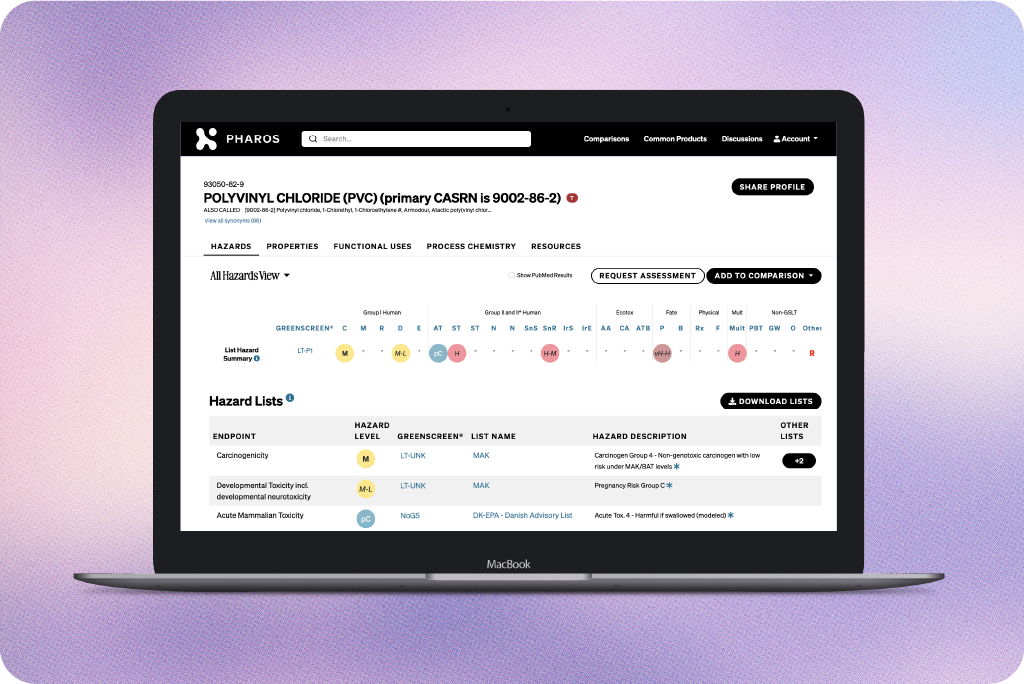
Pharos has been around in some form since 2006. Since then, it has saved countless hours for research teams working on safer chemistry projects. The Pharos API also allows the data to power tools like ChemForward, HPD Builder, and ChemHAT.
Pharos has data for over 200,000 chemicals, polymers, metals, and materials. Its broad usability means it’s used across sectors like cosmetics, cleaning products, building materials, electronics, and textiles.
Unlike the mess of technical PDFs you get when gathering your own data, Pharos presents information in an easy-to-read, downloadable format that allows you to directly compare chemicals.
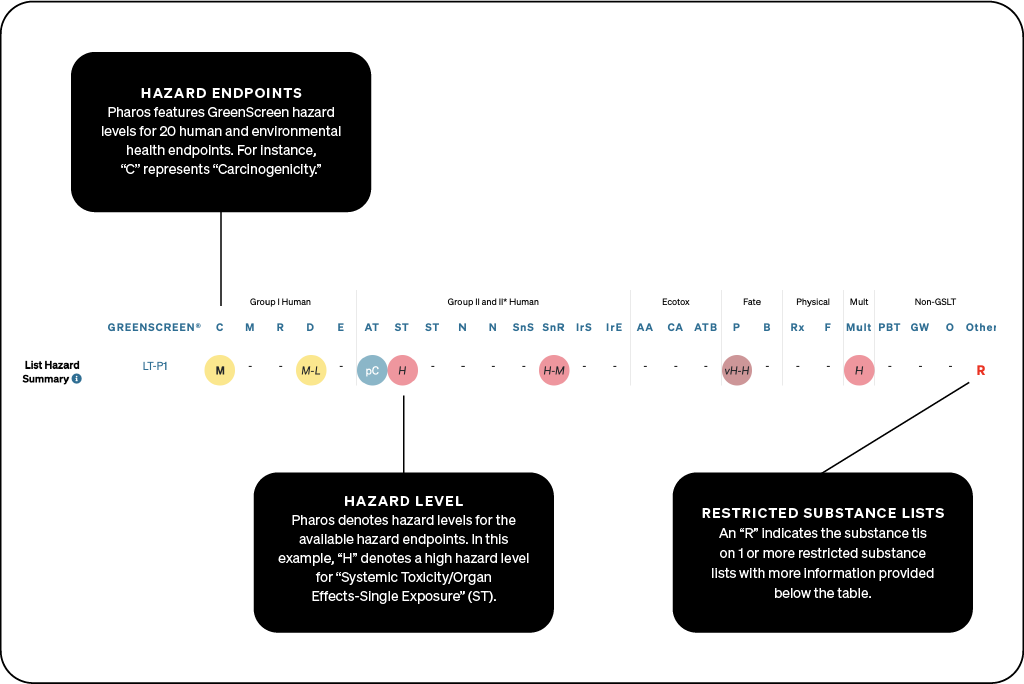
At the highest level, Pharos signals when a chemical is of high concern for human health or the environment using an easy to understand hazard ranking methodology. Pharos has long incorporated GreenScreen for Safer Chemicals (see text box for more information). It also supports the ChemFORWARD hazard bands which will be integrated into Pharos in the near future.
GreenScreen is a method developed by Clean Production Action to assess chemical hazard and help identify safer alternatives. It assigns chemicals a Benchmark score (from BM1 = “Avoid” to BM4 = “prefer”) based on their health and environmental hazard profiles.
GreenScreen List Translator is an abbreviated, automated screening method that checks whether a chemical appears on specific hazard lists. It assigns a score (LT-1 = “likely high concern”, LT-P1 = “Possibly high concern”, or LT-UNK “unknown concern”.
Habitable’s Pharos tool is a licensed GreenScreen List Translator Automator.
The data in Pharos is largely pulled from publicly available sources, like chemical regulations, restricted substances lists, and country specific inventories, ensuring transparency about where the data has come from.
The traffic light color coding gives an intuitive grasp of how hazardous a chemical is (red = bad, green = go), and you can immediately tell where the data gaps are, as well as potential concerns (pC) that aren’t well understood yet.
The strength of Pharos is that it combines multiple sources to get all the data it can about one chemical and translates that data into a single hazard level (“H” = high concern;) for a single hazard endpoint (like carcinogenicity). For example, formaldehyde is listed on California’s Prop 65 list as being known to cause cancer. It’s also on the European Union’s Annex VI list as a mutagen.
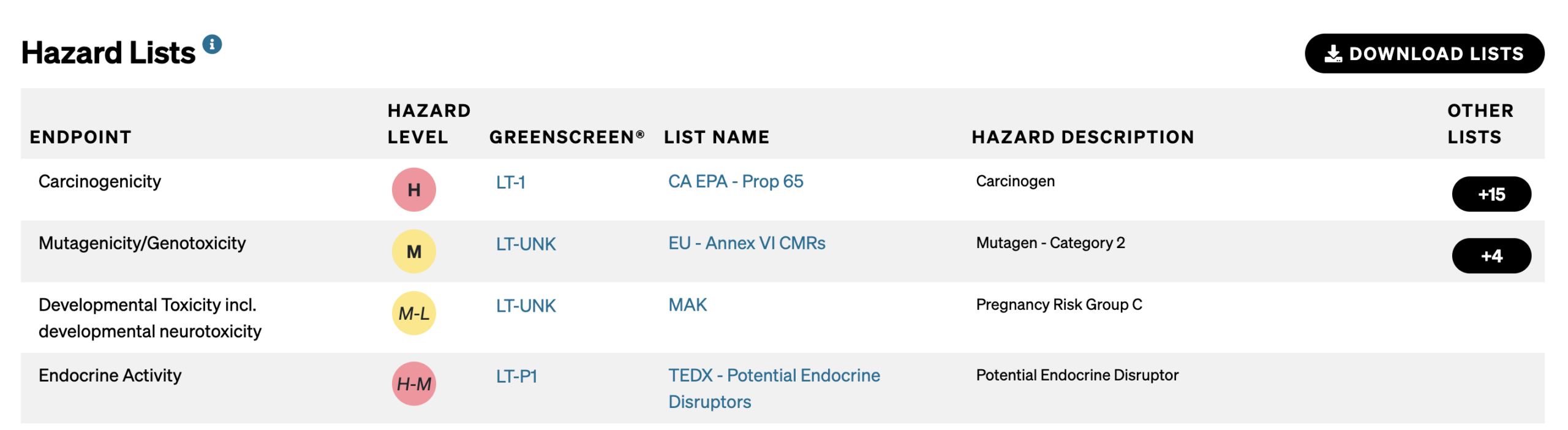
Many of these hazard level translations are defined by GreenScreen List Translator. See the GreenScreen Text box for more information.
Each source in the hazard table is clickable, and will take you to a clear explanation of what the source is, how it’s maintained, and links to the source itself, for maximum transparency.
Pharos also incorporates over 1000 GreenScreen assessments (some free, some purchasable), which are manual evaluations of chemical hazards performed by experienced toxicologists—they go deeper than the List Translator approach.
Despite all of the complicated information contained in it, Pharos is surprisingly easy to use. The researchers at Habitable have clearly put a lot of effort into making the tool accessible to anyone who wants to find safer chemicals.
First of all, the website has tutorials. Not a video! They are real tutorials actually built into the website, walking you through the tool and showing you where to click for a really smooth start.
Current tutorials:
The main interface is a simple, but powerful, search bar:

The Pharos search bar, showing that you can search for benzene, surfactant, or roofing as examples. You can search by chemical name, synonyms, CAS, by function, or by product type, which lets you use the tool flexibly. You can:
And if you want to talk to someone else about a chemical, you can do that in the forums and get answers from Habitable staff as well as other Pharos users.
So in short, Pharos is a valuable tool for anyone looking to research chemical hazards, and/or, design, or reformulate safer products. Habitable has made it very accessible by offering short- and long-term subscriptions, and multi-user discounts. Non-profits, government agencies, and academics can receive a discount on annual subscriptions.
So good luck on your journey towards safer chemistry, and try out Pharos for a day if you want to speed things up a bit!
Anna Zhenova is the CEO of Green Rose Chemistry, a mission-driven consultancy working to accelerate the sustainable chemical transition. She works with clients in industries ranging from fragrances to construction, bringing green chemistry out of the lab and into practical use.
 Pollution
Watch Habitable’s webinar featuring findings from our report Designing Out Plastics: A Blueprint for Healthier Building Materials and hear why leaders like sidexside and CannonDesign are choosing to design out plastics and design in health.
Featuring

Also Featuring
 Climate Change
This special report from Habitable and Plastic Pollution Coalition reveals how the built environment is full of toxic plastic, making wildfires worse—and how there is opportunity to build back better, with sustainable materials.
The report presents key findings about the links between plastics and wildfires, focusing on the case study of the January 2025 wildfires that burned through Los Angeles, California—an example of our increasingly plastic cities. It seeks to inform leaders in architecture, building, design, engineering, and policy spaces about how communities at risk of and/or affected by wildfires can build and rebuild better with safer, plastic-free materials.
PollutionA growing number of building professionals, policymakers, real estate developers, and philanthropic funders have awoken to the shocking volume of plastic building materials in use today and the devastating harm they cause to human and environmental health. Find out why these leaders now see healthier alternatives to plastic building materials as the next frontier in the building and construction sector.
Plastics harm human and environmental health at every stage of their life cycle, from extraction through production and disposal.
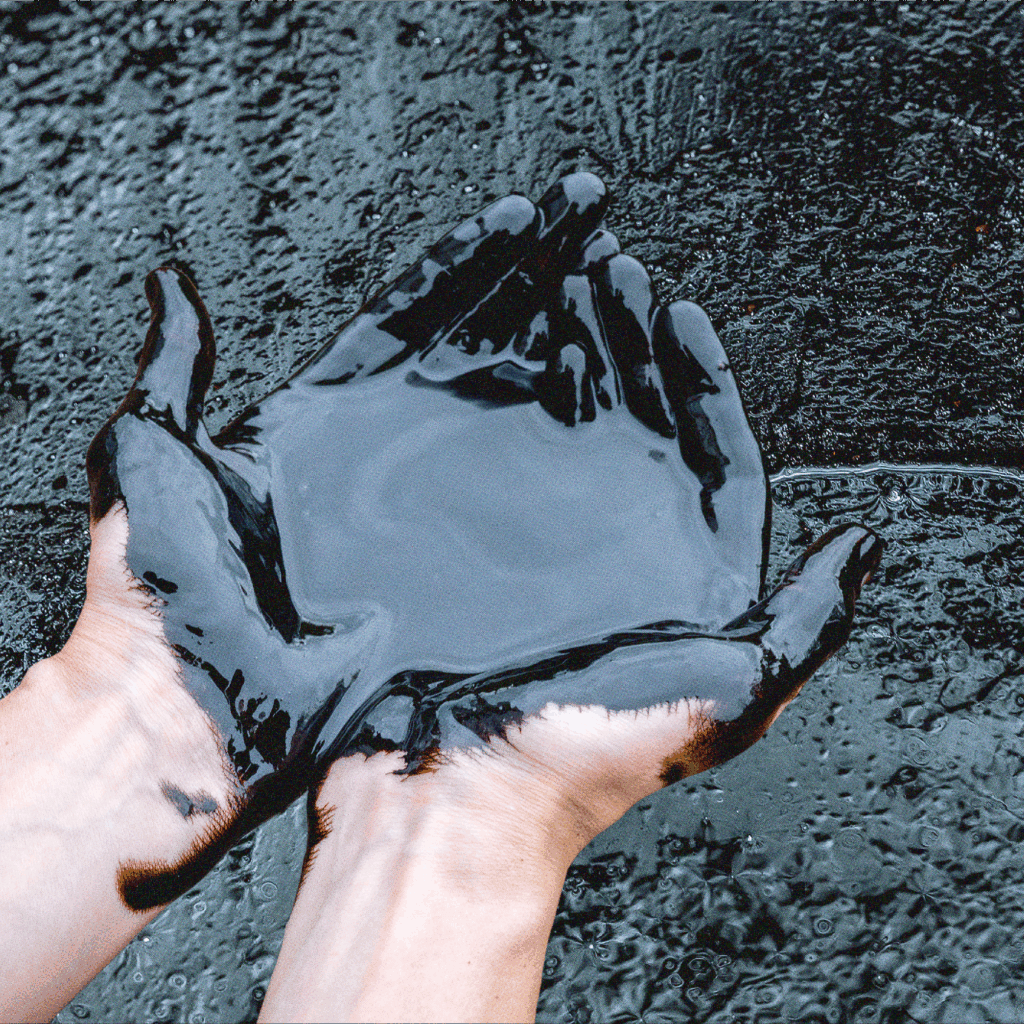
Almost all plastics are made from fossil fuels, while the chemicals used to produce them are linked to cancer, reproductive harm, developmental issues, and other health harms. They also release microplastics which contaminate our environment and our bodies, and at the end of their life, plastics create massive amounts of waste. Tragically, these impacts fall hardest on children and on low-wealth, Indigenous, and communities of color.
The building sector is a leading driver of plastics use and continues to grow.
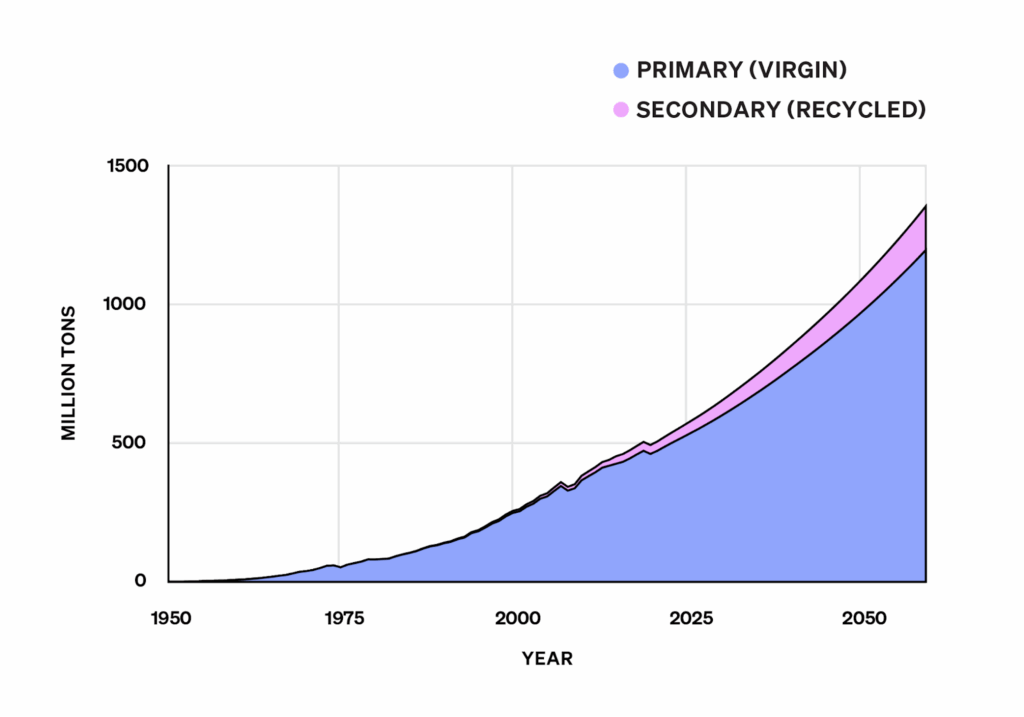
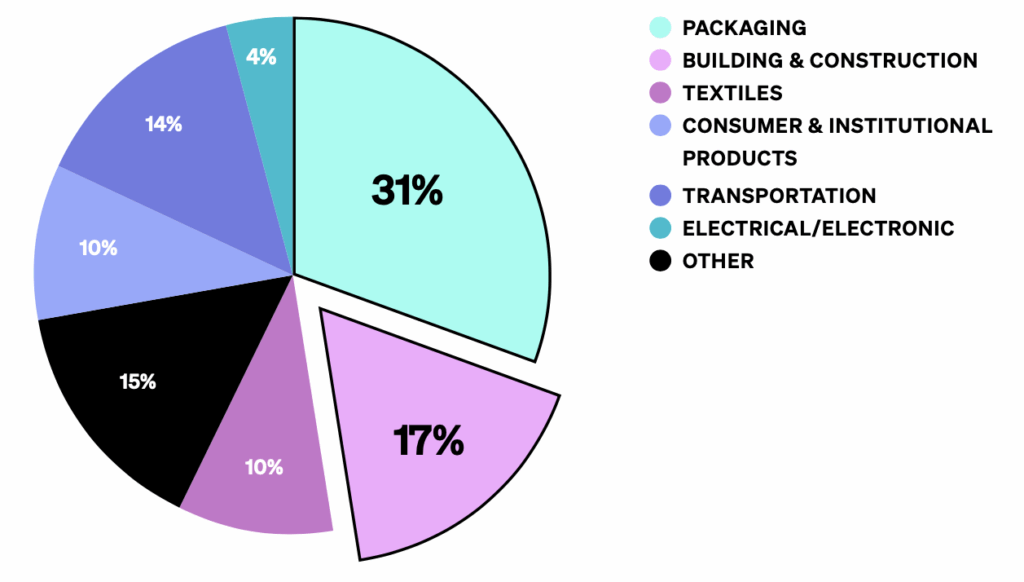
From flooring and siding to insulation and even paint, the building and construction sector accounts for 17% of global plastic production – second only to packaging. Plastic use in construction is on track to nearly double by 2050, intensifying its environmental and health harms. In fact, driven in large part by building materials, the plastics industry is expected to produce more plastic in the next 25 years than in all of history to date.

The building sector’s heavy reliance on plastics creates a unique and severe danger to human and environmental health.
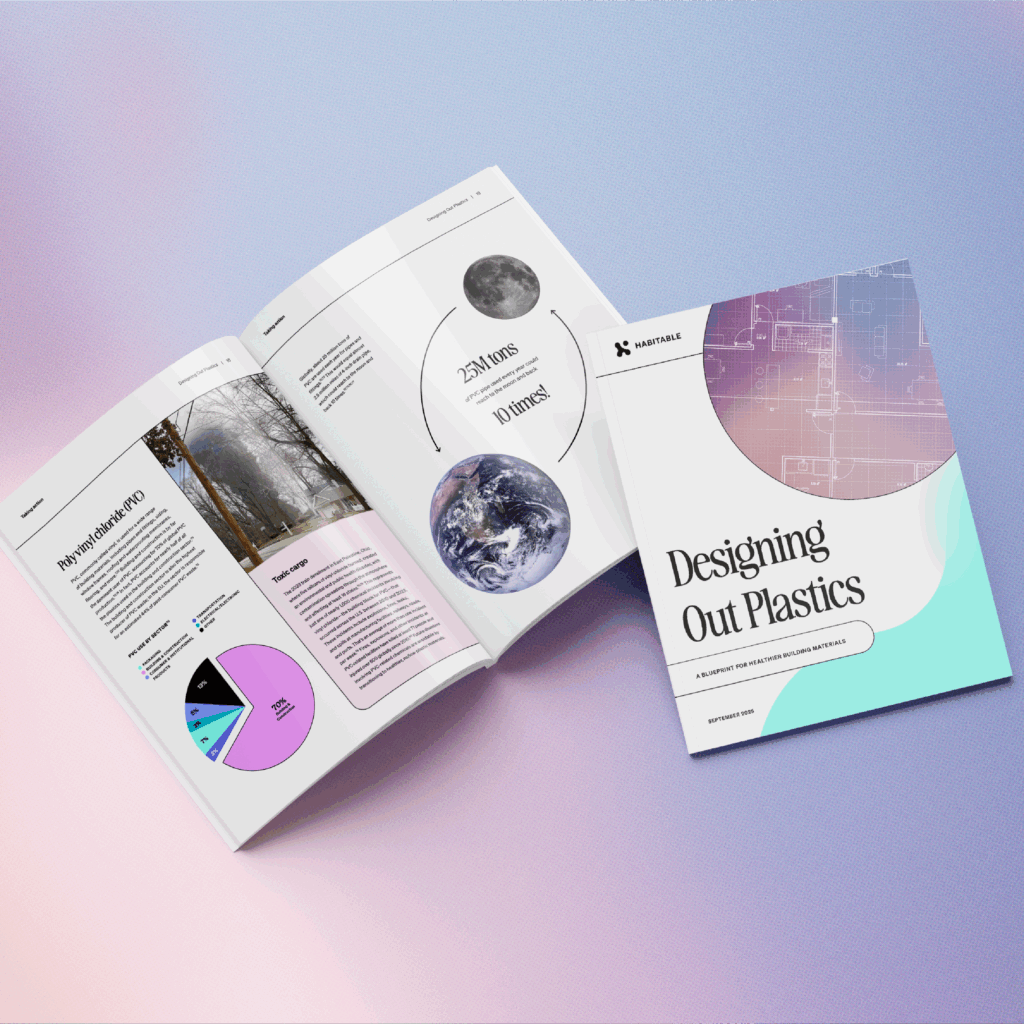
The sector uses 70% of all PVC (vinyl) produced globally and 30% of all polystyrene—two of the most hazardous plastics. Plastic building materials make buildings less fire resistant, burning faster and hotter while generating more toxic chemicals than natural materials—posing an escalating threat as climate change fuels more severe wildfires.
Healthier alternatives are already available and can significantly reduce our reliance on plastic building materials.
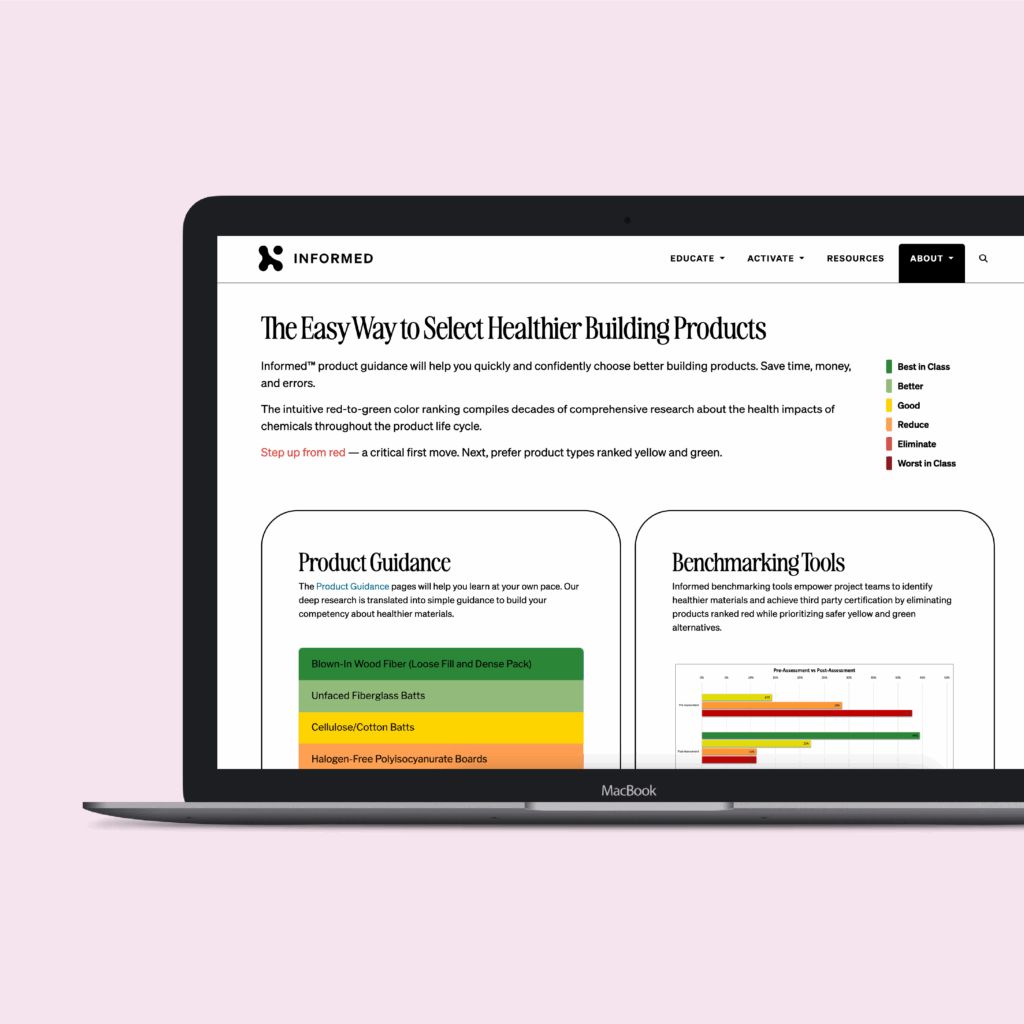
Habitable has identified healthier, no/low-plastic alternatives for many plastic building products. Informed™ product guidance can help developers, designers, builders, homeowners, and policymakers find healthier alternatives to plastics.
Download the full report for more information including examples of solutions from leaders like CannonDesign and Sera Architects.
PollutionTake a moment and look around. Try to find something—anything—that isn’t made with plastic. Your coffee cup lid, the synthetic fabric of your shirt, the carpet under your feet, the paint on the walls, the foam in your chair, even the “rubber” gaskets in your windows—they’re all plastic. Terms like polyester, nylon, vinyl, latex, acrylic, and spandex are just different names for the synthetic polymers we know as plastic.
Over the past 75 years, plastics have infiltrated daily life largely without question. Production skyrocketed from an estimated 2 million tons in 1950 to more than 470 million tons in 2019.1 And without intervention, plastic use is projected to surge in the decades to come.
Plastic’s ubiquity isn’t accidental. It has revolutionized modern life through life-saving medical devices, lightweight materials that improve fuel efficiency, and countless innovations. Despite their benefits, plastics are also one of our most pressing environmental and health challenges. They are made from fossil fuels and contribute to climate change. The chemicals used to make plastics have been linked to cancer, reproductive dysfunction, and other health harms. They pollute the air, water, soil, and our bodies, and create massive amounts of waste at the end of their—often too short—useful lives.
The good news? Change is happening. Across sectors and industries, sustainability professionals are reducing plastic use, municipalities are implementing plastic reduction policies, and innovative alternatives are reaching the market. We have unprecedented opportunities to drive meaningful change in reducing plastics’ impacts. Here we’ll provide facts you need to understand plastics’ impact and pathways forward.
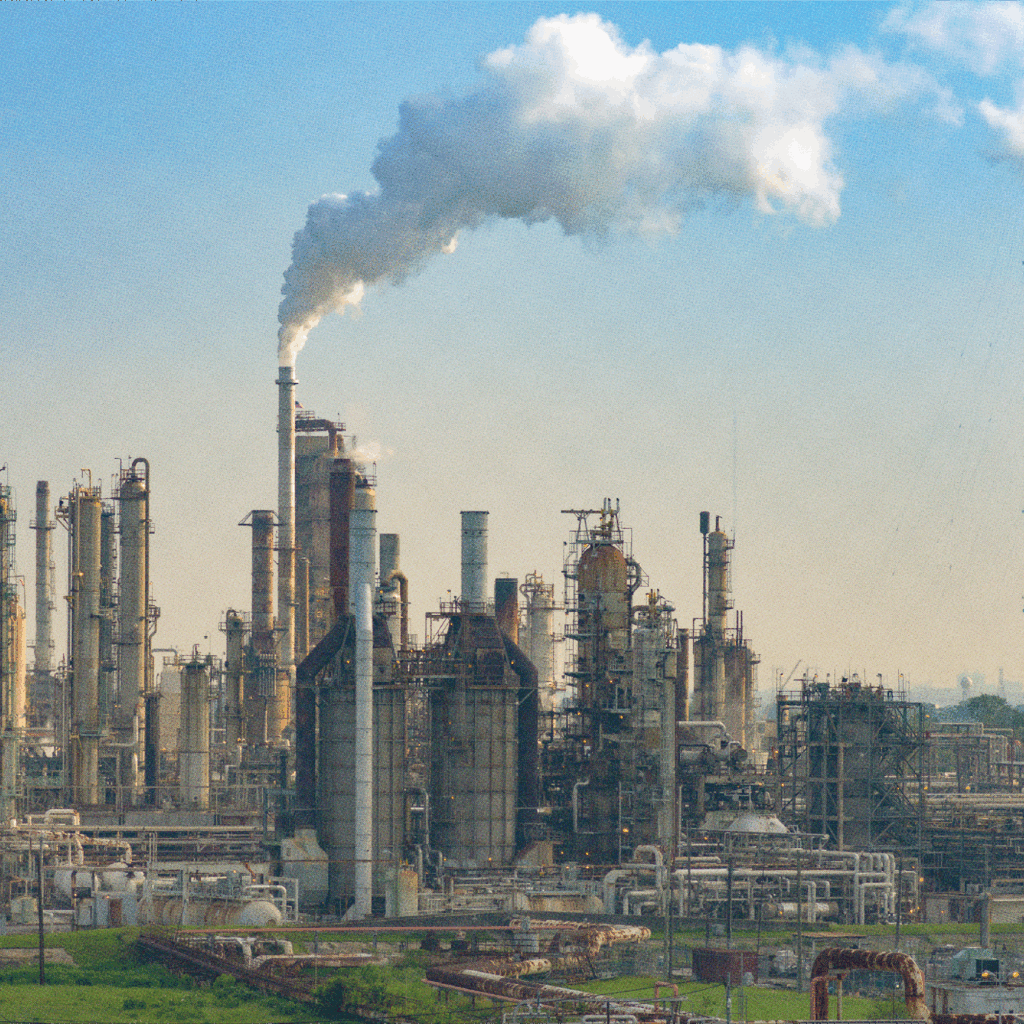
Plastic production begins with fossil fuel extraction; these fossil fuels are then refined and processed into petrochemicals. Petrochemicals are used to create different types of plastics with specific properties. Manufacturers shape these plastics into everyday products, often adding other chemicals to make them stronger, more flexible, or colorful.
As the energy sector shifts to renewables, the fossil fuel industry has turned toward plastics as a way of maintaining demand for their planet-harming products.4,5 The International Energy Agency has predicted that petrochemicals, which are used to make plastics, will soon become the largest driver of global oil demand.6

Global plastic production was over 470 million tons in 2019.1 This is more than the weight of all the humans alive today.8 And annual production is projected to double by 2050.1 Industry is on track to create more plastics in the next 25 years than have been produced in the history of the world so far.1,a
When they think of plastics, people often think of packaging—and, indeed, packaging makes up a significant 31% of all plastics’ use. But the building and construction sector is the second-biggest contributor, responsible for 17% of global plastics production. From PVC pipes to nylon carpet and vinyl siding, tens of millions of tons of plastics are used in construction each year.10 Other major uses include transportation, textiles, consumer and institutional products, and electrical/electronic equipment and devices.
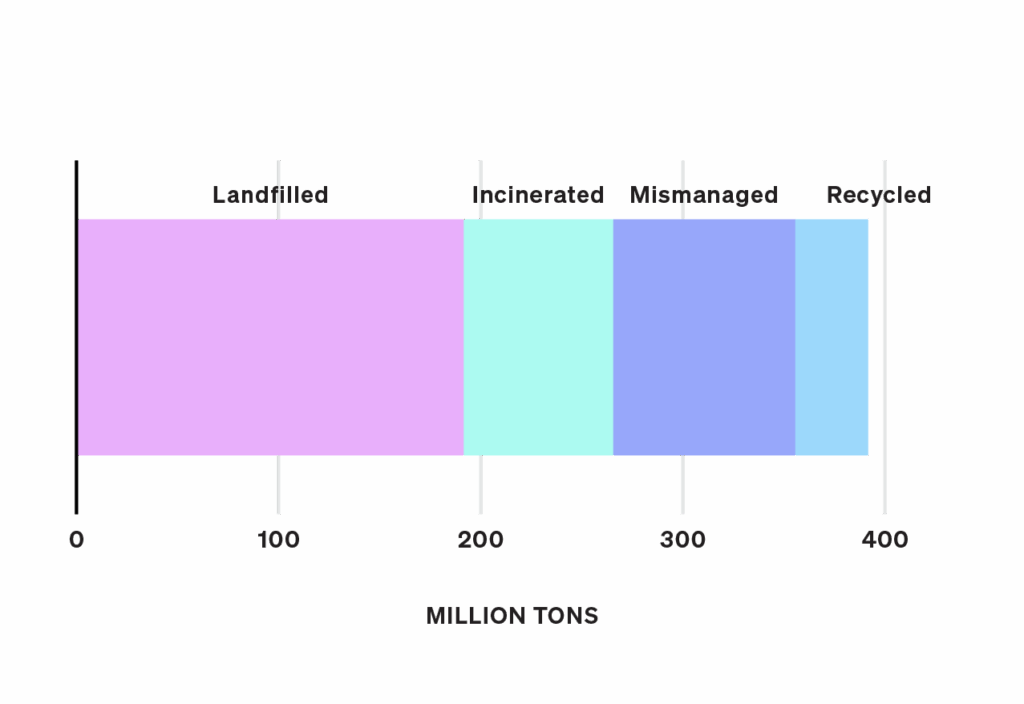
Plastics last a long time and do not biodegrade, which translates to a lot of plastic waste.11 Humankind generated about 390 million tons of plastic waste in 2019,1 and this amount is projected to almost triple by 2060, reaching over 1.1 billion tons per year.9 The vast majority of plastic waste is landfilled, incinerated, or mismanaged (disposed of in uncontrolled dump sites, burned in open uncontrolled fires, or leaked to the environment where it builds up in ecosystems on land and in waterways).1,12 For example, international estimates project that by 2060, there could be a staggering 543 million tons of plastic accumulated in aquatic environments, including 160 million tons in the ocean.9
While many plastic materials appear inexpensive, the price tag excludes substantial societal costs of harm to human health and the environment.13
Annually, production of plastics causes an estimated $592 billion in health harms globally.14,b A small subset of plastic-related chemicals generates an estimated $249 billion in medical and associated social costs every year in the U.S. alone.15 Plastic pollution is estimated to result in $100 billion of environmental damage every year.13 And these are conservative estimates.c Reducing plastics use can lead to major health and economic benefits.
The costs of climate change, too, are immense. Global warming increases the frequency of extreme weather events, each causing billions in damage. The U.S. faced 27 separate billion-dollar weather and climate disasters in 2024 alone—nearly matching the record-setting 28 events in 2023. These disasters resulted in over $182 billion in damages that year.16 Plastic production contributes to these mounting costs.
Government subsidies hide the real cost of plastics, with annual global subsidies totaling $7 trillion for fossil fuels and on the order of $30 billion for plastic production in the top 15 producing countries.17,18 A similar pattern exists at the local level. The Environmental Integrity Project reviewed 50 plastic plants built or expanded in the U.S. since 2012 and found that 32 of these plants received almost $9 billion in state and local tax breaks and taxpayer subsidies. Two-thirds of the more than 591,000 people living within three miles of the 50 new or expanded plants are people of color, revealing how environmental burdens often fall disproportionately on communities of color.19
These costs are paid by individuals and governments, not fossil fuel or plastic companies.14
The United Nations defines plastic pollution as “the negative effects and emissions resulting from the production and consumption of plastic materials and products across their entire life cycle.”13 Plastics generate pollution at every stage of their life, from fossil fuel extraction, through manufacturing, use, and disposal. This pollution—including greenhouse gases, microplastics, and toxic chemicals—harms everyone.
Widespread pollution generated across the plastic life cycle is harming people and Earth’s ecosystems.12,20 Sometimes this pollution is readily apparent: smoke plumes or smells from a factory or plastic bottles in the gutter. Whether we can see or smell it or not, plastic pollution affects all of us—through greenhouse gas emissions; through the microplastic particles and toxic chemicals that make their way into our bodies from air, water, and food; and through impacts on the health of people and our planet. For example:
Plastics contribute to climate change at every stage of their life cycle. Greenhouse gases are released during fossil fuel extraction, refining, and transportation. Plastic manufacturing processes emit additional climate pollutants. Even after use, plastic products continue damaging the climate as they degrade or burn in incinerators.21 Plastic production alone is responsible for over 5% of global greenhouse gas emissions and continues to grow.22
While plastics don’t biodegrade, they do break down into small and tiny particles known as micro- and nanoplastics. These particles range from about the size of an orange seed to the width of a strand of DNA, and they are everywhere.23 We are exposed to them through the food we eat, the water we drink, and the air we breathe. Microplastics have been found throughout human bodies, including our blood, kidneys, hearts, brains, and more, and there is evidence they build up over time.24–27 Project TENDR, an alliance of experts on toxic chemicals and brain development, notes that, “[b]abies today are born with their brains and bodies already contaminated with plastics. Micro- and nano-plastic particles have been found in the placenta and newborns’ first stool, with exposures continuing through breastmilk and infant formula.”28 Scientists are only just starting to learn how microplastics harm the health of children and adults, but research suggests they contribute to a range of adverse outcomes, such as cancer and infertility.29
Did you know most paint is made with plastic? Researchers estimate that paint—including architectural, marine, road marking, general industrial, automotive, and industrial wood paint—is the largest source of microplastic leakage into oceans and waterways, accounting for 58% of known sources. A third of paint used in the architectural sector each year will eventually end up in the environment (oceans, waterways, and land), including an estimated 4 million tons of plastic.30
In addition to plastics themselves being a health concern as described above, plastics also use and release toxic chemicals throughout their life cycle. These chemicals are used throughout plastics production—extraction and refining of fossil fuels and production of chemicals, plastics, and products. In addition to “regular” releases of toxic chemicals that occur during production, each life cycle step and transportation of chemicals for each process also creates risk of fires, explosions, spills, and leaks.31 More than 16,000 different chemicals may be used to make, or are present in, plastics. Over 25% of these are known to be hazardous to human health or the environment, and most others lack information on their safety. This includes thousands of chemicals that are intentionally added to plastics to impart particular properties, such as making them more flexible, durable, or colorful.32 Chemicals used to create plastics pollute our air, water, soil, and bodies and have been linked to cancer, reproductive issues, children’s developmental harm, asthma, obesity, and many more health impacts.14,33–36
Workers, communities, and users of plastic products face direct exposure to these harmful substances. Additionally, chemical wastes from plastic production and most plastic products themselves are landfilled or incinerated, burdening communities with additional pollution.1,14,34,37 Even recycling can release microplastics and toxic chemicals that affect human health.38,39
Beyond local contamination, many plastic chemicals as well as microplastics spread globally through air and water, disrupting ecosystems and contaminating environments worldwide.1,32,36 Landfilling and incineration of plastic waste further burdens the environment with persistent pollution, while recycling processes can also release environmental contaminants.14,32,38,39
While we are all harmed by plastic pollution, some of us are harmed more than others.
Children are especially vulnerable to chemical exposures. Beginning in the womb and continuing into adolescence, their cells and bodies are in a dynamic state of growth.40 Chemical exposures have many damaging effects. They can interrupt hormone systems and inhibit healthy brain development. Scientists suspect chemical exposures have contributed to the increased rates of childhood cancers like leukemia and neurodevelopmental disorders like ADHD present today.28,40,41 Exposure to toxic chemicals early in life can continue to harm health years later through effects such as reduced fertility and increased risk of obesity, asthma, and cancer.41
Communities near polluting facilities (chemical plants, landfills, incinerators, etc.) are directly affected by noise, odors, chemical emissions, and heavy duty diesel emissions.42–44 Such “fenceline” communities are disproportionately communities of color, Indigenous communities, and low-wealth communities.14,42,45 Often, industrial facilities are concentrated in “sacrifice zones” such as Louisiana’s Cancer Alley. This 85-mile stretch of communities along the Mississippi River between New Orleans and Baton Rouge is home to about 200 fossil fuel and petrochemical facilities. Residents of the area suffer from elevated rates and risks of reproductive, maternal, and newborn health harms; cancer; and respiratory ailments such as asthma.46 Hear directly from Cancer Alley residents in this video from Human Rights Watch.
Plastic chemicals and microplastics travel through air and ocean currents, concentrating in the Arctic and disproportionately affecting the land, water, and traditional foods of Arctic Indigenous communities.36,47 Climate change is also greater in Arctic regions which are warming almost four times faster than the planet as a whole. The health of these communities is threatened by the toxic impacts of the fossil fuel and plastics industry in addition to climate-induced threats to food security and community displacement.36
From the vinyl flooring under our feet to the polyester in our clothing, plastics surround us in ways we’re only beginning to fully understand. The evidence is clear: these ubiquitous materials are driving climate change, contaminating our bodies with chemicals and microplastics, and releasing toxic chemicals that disproportionately harm children, communities of color, Indigenous communities, and low-wealth communities. The hidden costs reveal the true price of our plastic dependency.
Here are four concrete steps you can take right now to meaningfully reduce plastic use while protecting people and the environment:
The same innovation that created this challenge can solve it. As sustainability professionals, we have the knowledge, networks, and influence to accelerate the transition already underway.
Pollution
Habitable’s policy brief, “Buildings’ Hidden Plastic Problem,” reveals stunning statistics about current and projected plastic use in buildings and includes recommendations to reduce plastic pollution—greenhouse gases (GHGs), microplastics, and toxic chemicals—throughout product life cycles.
This policy brief presents highlights from the significant body of science indicating that plastic building materials are contributing to serious health and environmental harms over their life cycle, from fossil fuel extraction to production, use, and disposal. These impacts fall disproportionately on susceptible and marginalized people, including women, children, Indigenous people, low-income communities, and people of color. The brief includes examples of solutions and offers recommendations to strengthen policies that will reduce plastic use in the built environment and associated life cycle harms.
Endorsing organizations:
Interested in endorsing these policy recommendations? Contact us.
French—lire en français
Spanish—leer en español
English—read in english
Pollution
This fact sheet highlights the building and construction sector’s significant contributions to global plastic pollution.
Using case studies of flooring products specified in the K-12, healthcare, and affordable housing sectors, the fact sheet introduces opportunities for building practitioners to reduce the plastic footprint of their buildings and emphasizes the impact that one building can make by specifying low/no-plastic products.
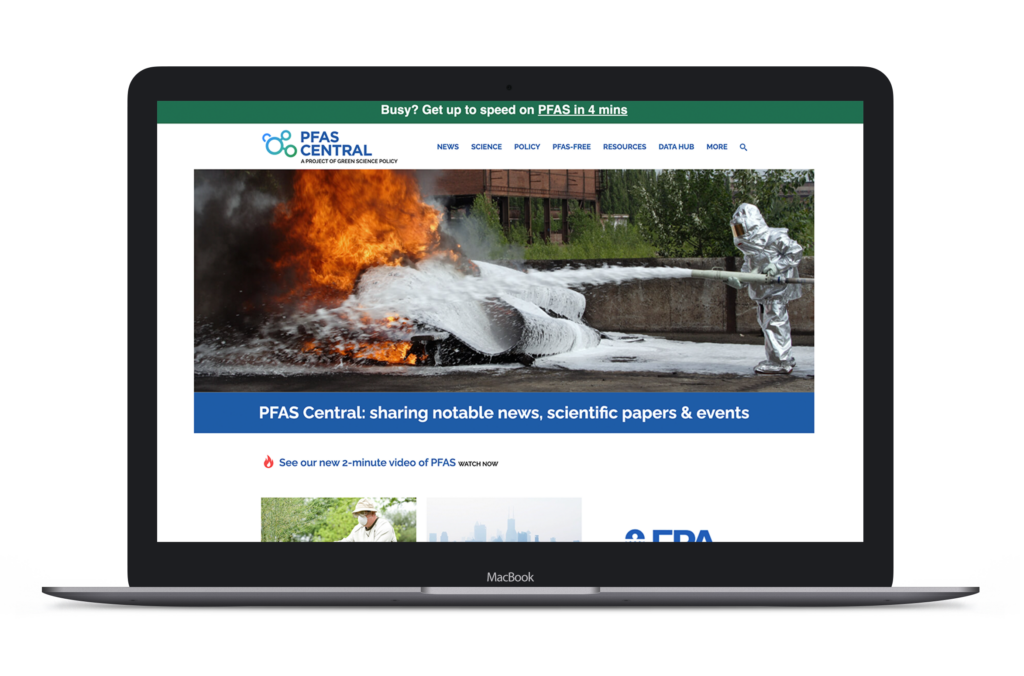
PollutionPFAS Central is a comprehensive resource providing the latest curated information on PFAS, encompassing press coverage, peer-reviewed scientific articles, meeting updates, job listings, and consumer guides.
This platform is a collaborative effort between the Green Science Policy Institute and the Social Science Environmental Health Research Institute (SSEHRI) at Northeastern University. The Green Science Policy Institute aims to foster responsible chemical use to safeguard human and ecological health by uniting scientists, regulators, businesses, and public interest groups. SSEHRI focuses on social science research, education, and policy work related to environmental health, with a special emphasis on PFAS through its dedicated project.
 Health
This episode featured Teresa McGrath, the Chief Research Officer for Habitable.
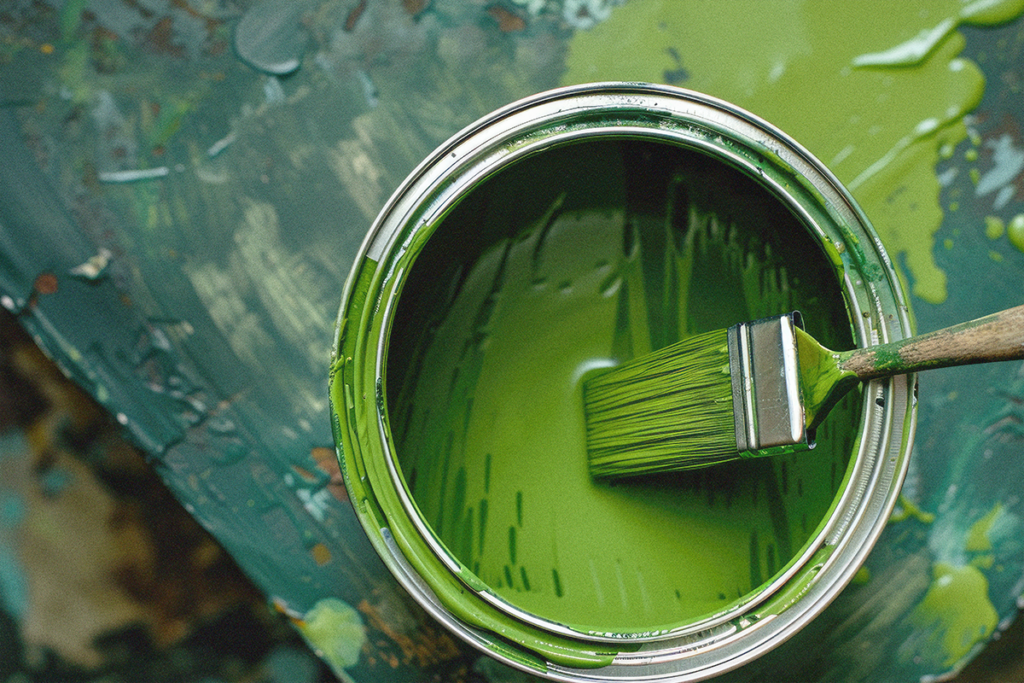
She digs into the environmental implications of paint components and offers scientific insights on sustainable alternatives. Some of her suggestions are even trending—popular wall treatments such as Limewash and Roman clay are healthier alternatives.
 Health
Discover the urgent need to protect children’s developing brains from the harmful effects of plastics and toxic chemicals with this recent report, “Protecting the Developing Brains of Children from the Harmful Effects of Plastics and Toxic Chemicals in Plastics.”
This briefing paper, prepared by experts from Project TENDR, summarizes mounting scientific evidence linking plastic exposure to neurodevelopmental disabilities and cognitive deficits in children. It also provides essential policy recommendations to strengthen the new global treaty on plastics pollution. Download the report or watch the webinar to learn more about how we can address the toxicity and proliferation of plastics and petrochemicals.